Adaptive Input Mapping Systems Linking Spectator Feedback to In-Game Character Behaviors in Shared Virtual Environments
Carlo Long · Jul 23, 2026
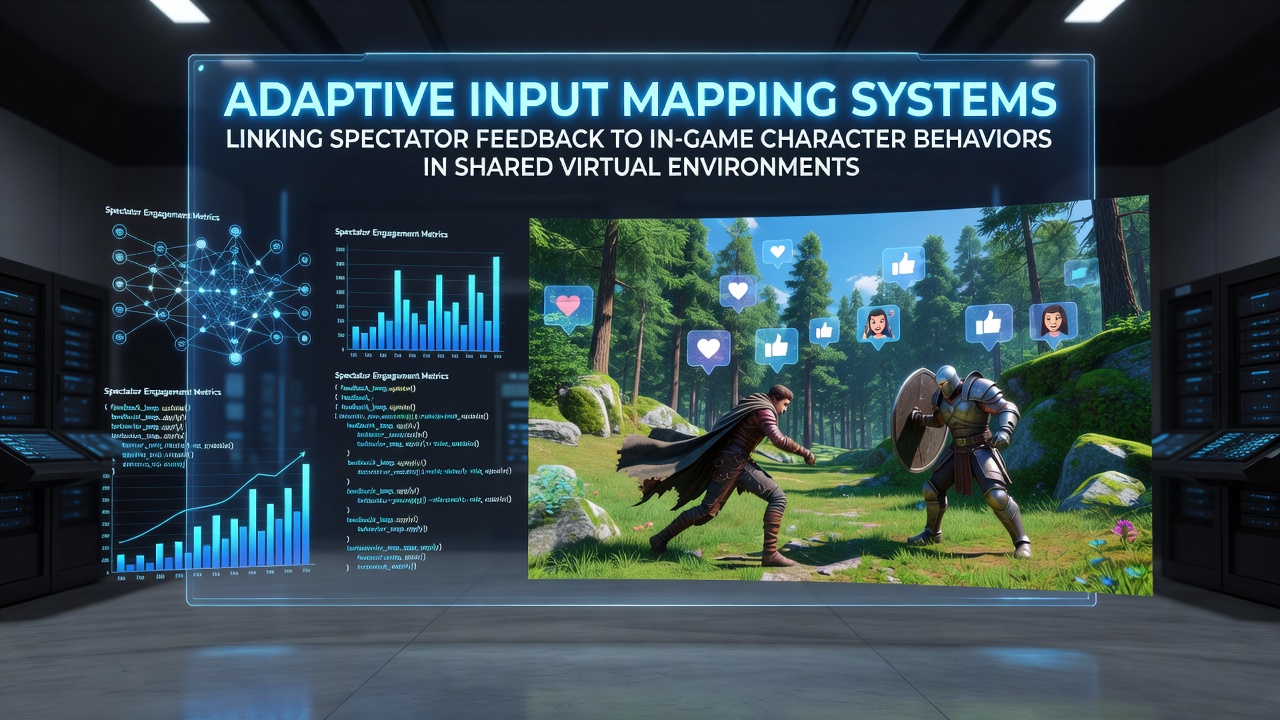
Adaptive Input Mapping Systems Linking Spectator Feedback to In-Game Character Behaviors in Shared Virtual Environments
Adaptive input mapping systems connect spectator inputs from live audiences to in-game character actions through dynamic algorithms that translate chat commands, poll results, and biometric signals into control adjustments, and these setups operate in shared virtual environments where multiple participants interact simultaneously. Researchers at institutions across North America and Europe have documented how such systems process feedback streams in real time, mapping viewer votes to movement parameters or ability triggers while maintaining game balance through weighted priority filters.
Core Mechanisms of Input Adaptation
Data from audience sources flows into middleware layers that recalibrate controller mappings on the fly, so a surge in chat activity favoring aggressive playstyles can shift a character's response curves toward faster attack animations without overriding the primary player's core inputs. Studies conducted by the Entertainment Software Association in the United States indicate that these mappings rely on machine learning models trained on thousands of prior sessions, where patterns in viewer engagement correlate with specific behavioral shifts such as altered jump heights or modified targeting priorities.
Observers note that integration often occurs via plugin architectures compatible with major game engines, allowing seamless data exchange between streaming platforms and virtual world servers. In one documented case from a cooperative broadcast series in 2025, systems adjusted enemy AI behaviors based on collective audience predictions, resulting in measurable changes to match outcomes tracked through server logs.
Implementation in Live Broadcasts
Platforms supporting these features incorporate overlay tools that display real-time mapping status to both streamers and viewers, while backend processes handle latency compensation through predictive buffering techniques. Figures from a 2024 report by the Interactive Games and Entertainment Association in Australia reveal that average round-trip times for feedback-to-action cycles have dropped below 150 milliseconds in optimized setups, enabling responsive interactions during fast-paced sequences.
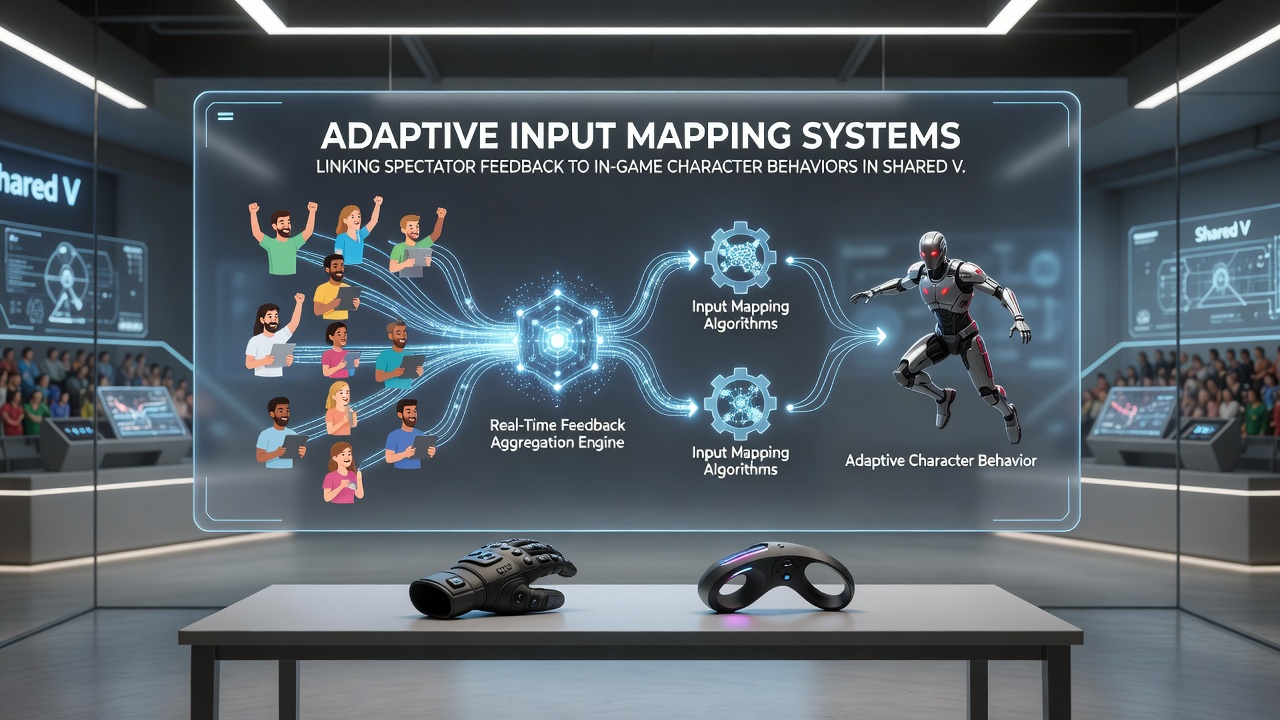
Developers have deployed sensor fusion protocols that combine wearable device metrics from participants with chat-driven triggers, and this approach appears in cooperative matches where audience heart-rate data influences stamina regeneration rates for in-game avatars. European research groups affiliated with the Interactive Software Federation of Europe have examined how such fusions maintain fairness by applying normalization factors derived from historical participation rates across different time zones.
Case Examples and Data Trends
One broadcast event series in early 2026 demonstrated adaptive mappings that linked emoji frequency in chat to environmental effects, such as crowd cheers altering wind patterns affecting projectile trajectories. Data collected during these sessions showed participation rates climbing 28 percent compared to non-adaptive controls, according to analytics shared at industry gatherings. Another implementation in shared virtual arenas allowed spectator polls to temporarily remap secondary abilities, with results logged and reviewed for balance adjustments in subsequent patches.
What's interesting is how these systems handle conflicting inputs through consensus algorithms that prioritize high-engagement segments, and researchers have tracked reduced instances of viewer drop-off when mappings include visible feedback indicators. In July 2026, updates to several middleware packages introduced regional calibration options that account for varying network conditions across continents, drawing on datasets from Canadian regulatory reviews of digital entertainment infrastructure.
Technical Considerations and Scalability
Engineers address scalability by distributing computation across cloud nodes that process feedback batches in parallel, ensuring that large spectator groups do not overwhelm primary game threads. Reports from academic sources highlight the use of graph-based interaction models that visualize connections between input sources and behavioral outputs, helping developers identify bottlenecks in real-time adjustments.
Peripheral calibration protocols now sync with viewer prediction models, allowing preemptive mapping tweaks based on emerging trends in audience behavior during extended sessions. These protocols draw from industry standards that emphasize data privacy through anonymized aggregation methods approved in multiple jurisdictions.
Conclusion
Adaptive input mapping systems continue to evolve through iterative refinements informed by deployment data from diverse virtual environments, linking spectator contributions to character dynamics in ways that expand interactive possibilities for shared broadcasts. Ongoing work by global research networks focuses on refining latency thresholds and expanding input variety while preserving core gameplay integrity across platforms.