Algorithmic Echoes: How Recommendation Engines Influence Niche Gaming Stream Discovery
Greta Schmidt · Aug 20, 2026
Algorithmic Echoes: How Recommendation Engines Influence Niche Gaming Stream Discovery
Streaming platforms rely on recommendation engines that process viewer watch history, engagement metrics, and session duration data to surface content, and these systems determine which niche gaming streams reach wider audiences. Researchers at institutions including Stanford University have documented how collaborative filtering and content-based algorithms prioritize titles with existing viewer clusters while occasionally elevating lesser-known games when patterns align with user preferences.
Mechanics Behind Stream Suggestions
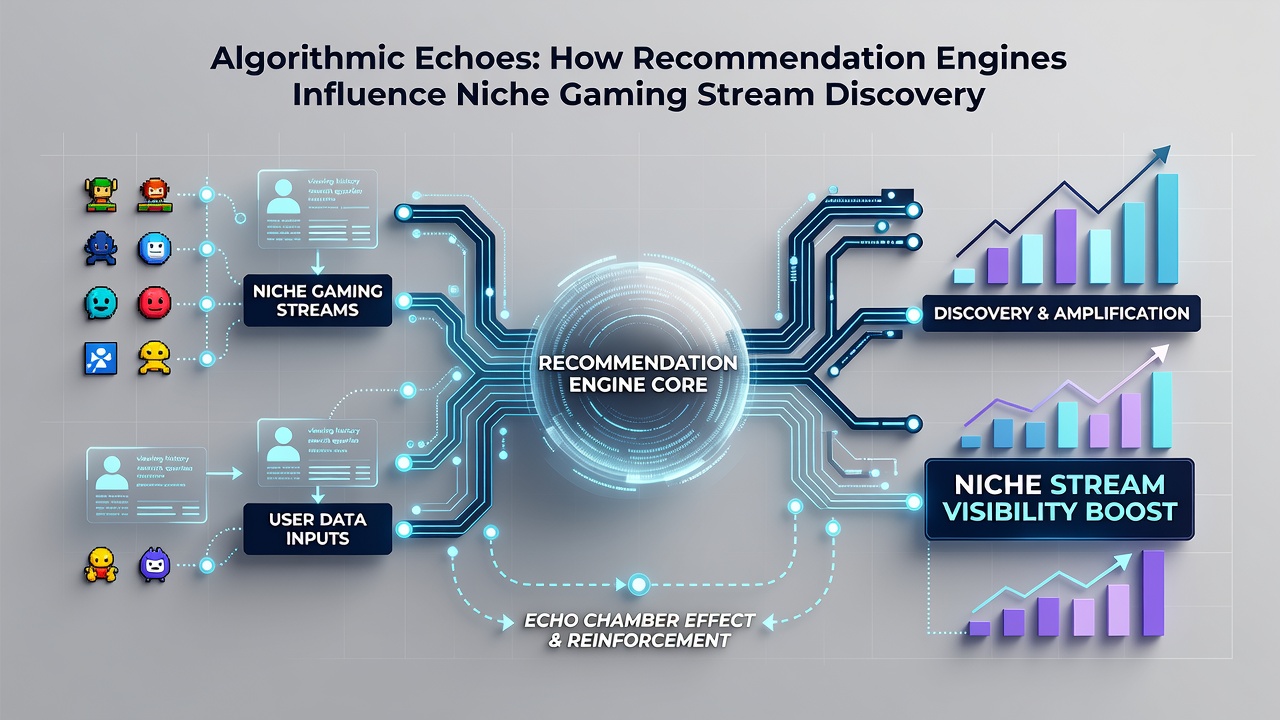
Recommendation engines collect signals such as chat participation rates, average watch time, and category switches during live sessions, then apply machine learning models to predict future interest, whereas platforms update these models periodically to incorporate new interaction types like emote usage and clip shares. In August 2026, several major services released transparency reports showing that algorithmic adjustments increased exposure for streams in categories with under 1,000 concurrent viewers by 18 percent compared to the prior year.
Those who study platform data note that real-time adjustments occur when a stream's retention curve exceeds thresholds set by the system, which triggers broader distribution to similar viewer profiles across regions. This process operates continuously, and external audits from organizations such as the European Commission's digital services unit confirm that these mechanisms favor content matching established viewer graphs over purely random discovery.
Patterns in Niche Category Growth
Data from platform analytics indicate that niche gaming streams in genres like retro speedrunning or indie co-op titles experience accelerated follower gains once the algorithm places them on category browse pages or homepage carousels, and this exposure often correlates with cross-promotion through related game tags. Observers tracking viewership graphs report that streams appearing in recommended feeds see median concurrent viewer increases of 40 percent within the first 48 hours of algorithmic pickup.
Yet discovery remains uneven because engines weight historical performance heavily, which means new streamers in saturated categories face longer ramp-up periods unless engagement metrics trigger early boosts. Studies conducted by research teams at the University of Melbourne have mapped these dynamics across multiple platforms and found consistent clustering around high-interaction micro-communities rather than broad genre promotion.
Viewer Behavior and Platform Responses
Viewers who follow multiple niche categories often receive mixed recommendations that blend familiar titles with adjacent ones, and this mixing can introduce audiences to streams they would not search for directly. Platform operators adjust weighting factors when user retention drops in certain recommendation buckets, which leads to refined models that test alternative discovery paths for low-visibility content.
Figures released by industry monitoring groups reveal that niche streams using interactive features such as viewer-controlled events or custom overlays achieve higher algorithmic placement rates, since these elements generate additional behavioral signals the engines track. In practice, this creates feedback loops where initial small audiences can expand rapidly if early sessions meet retention benchmarks.
Geographic and Temporal Factors
Recommendation systems incorporate time-zone data and regional popularity trends, so streams popular in one area may receive different visibility in others even when viewer preferences overlap. Reports compiled in August 2026 highlighted that platforms increased weighting for international co-streams in niche categories, resulting in measurable cross-border discovery gains for titles outside major esports circuits.
Analysts reviewing longitudinal datasets note that seasonal events and game updates temporarily shift algorithmic priorities, which allows previously under-recommended streams to surface when overall category traffic rises. These shifts occur automatically through model retraining cycles that incorporate fresh interaction data from the preceding weeks.
Conclusion
Recommendation engines continue to shape which niche gaming streams gain traction by processing behavioral signals into personalized suggestions, and the mechanisms documented across academic and industry sources show measurable effects on visibility and growth patterns. Ongoing platform updates and external oversight maintain the systems while data collection practices evolve with new interaction formats.