Chat-Driven Mod Ecosystems Reshaping Cooperative Game Narratives in Real Time
Ulrich Keller · Jun 28, 2026
Chat-Driven Mod Ecosystems Reshaping Cooperative Game Narratives in Real Time
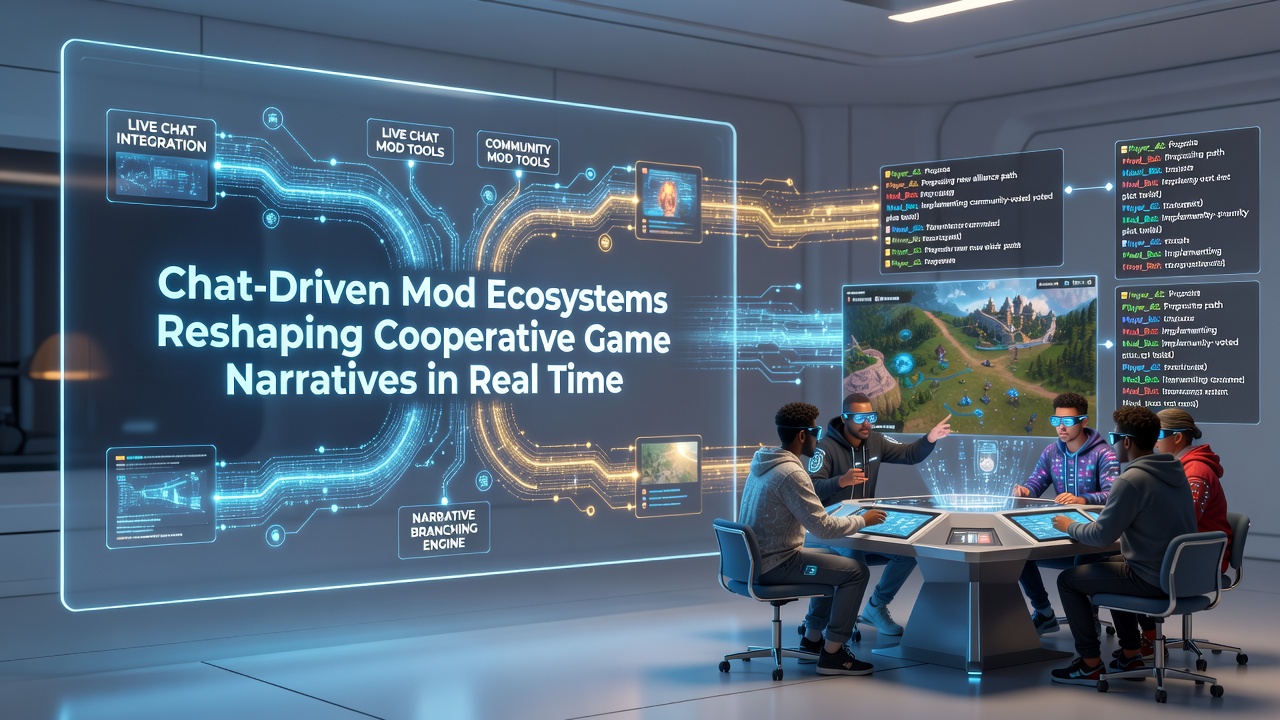
Chat-driven mod ecosystems integrate live audience input directly into game modifications that alter story paths during cooperative sessions, and these systems rely on APIs connecting streaming platforms to custom plugins that execute commands in real time. Developers build frameworks allowing viewers to vote on character decisions or environmental changes while players navigate shared worlds, and data from June 2026 shows increased adoption across titles supporting up to eight participants simultaneously.
Mechanics Behind Real-Time Narrative Adjustments
Mod ecosystems process chat commands through middleware that parses text inputs against predefined rule sets, then applies changes via server-side scripts without pausing gameplay. Cooperative titles such as those in survival or role-playing genres deploy these tools to let audiences steer plot points including alliance formations or resource distributions, and researchers at institutions like the University of Melbourne have documented how such integrations maintain synchronization across distributed player bases. Teams configure triggers that respond to keyword frequencies or poll results, which means a surge in specific emotes can unlock alternative dialogue trees while the session continues uninterrupted.
Platform Integrations and Community Tools
Streaming services provide webhooks that feed viewer messages into mod repositories hosted on platforms like GitHub, where contributors update scripts to support new narrative variables. As of mid-2026, several cooperative games incorporated these connections to handle thousands of concurrent inputs without latency spikes, and observers note that custom overlays display proposed changes before implementation to keep everyone aligned. One study revealed that groups using these ecosystems experienced higher retention rates because audiences felt direct ownership over evolving story arcs, while developers maintained control through approval layers that filter disruptive commands.
Case Examples from Recent Broadcasts
Take one cooperative campaign where chat participants voted to alter a mission objective mid-stream, resulting in a branched ending that differed from the developers' original script, and this occurred because mod plugins mapped poll data to in-game variables updated every few seconds. Another instance involved international teams coordinating across time zones, with chat suggestions adapting enemy behaviors based on collective input patterns tracked by analytics dashboards. Those who've examined these events find that narrative flexibility depends on pre-built mod libraries that anticipate common viewer requests, which reduces implementation delays during live sessions.
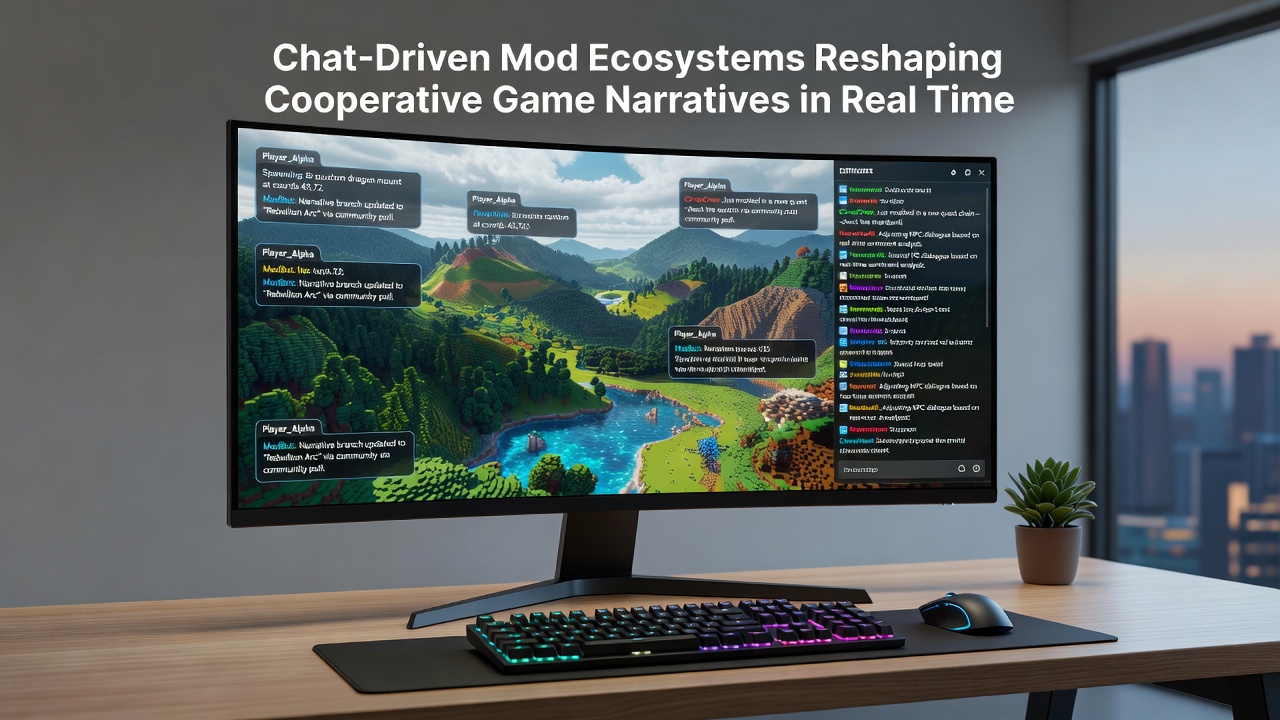
Industry reports from the Entertainment Software Association indicate that mod ecosystems expanded in titles released after 2024, particularly those emphasizing group decision-making. Data shows integration with prediction models that anticipate popular chat trends, allowing preemptive asset loading to keep narratives responsive. Experts have observed that these adaptations create persistent world states across multiple streams, where previous audience choices carry over into follow-up sessions hosted by different creators.
Technical Challenges and Solutions
Latency management remains central because delays between chat input and mod execution can break immersion, so engineers deploy edge computing nodes that process commands closer to game servers. Security protocols scan inputs for malicious code before execution, and this approach has prevented disruptions in high-profile cooperative events tracked through 2026. Community-driven updates refine these safeguards based on usage logs, which means ecosystems evolve alongside player and viewer behaviors without requiring full game patches.
Broader Effects on Storytelling Structures
Traditional linear narratives give way to modular frameworks where core events stay fixed but surrounding details shift according to chat consensus, and this structure suits cooperative formats because it accommodates varying group sizes. Analysts from European research networks have tracked how such systems encourage repeated playthroughs as different viewer groups produce unique outcomes, and figures reveal measurable increases in session lengths when real-time modifications stay active. Plugins often log all changes for post-session reviews, giving creators material for highlights that showcase audience impact on the overall arc.
Conclusion
Chat-driven mod ecosystems continue to expand the possibilities for cooperative game narratives by linking audience participation with live modifications, and ongoing developments through June 2026 demonstrate sustained technical refinements that support larger scales of interaction. These frameworks rely on established integration methods between platforms and game engines, which ensures consistent performance while preserving developer oversight. As adoption grows, the approach provides documented examples of how real-time input reshapes shared storytelling without compromising session stability.