Community Feedback Loops Reshaping Platform Features for Multiplayer Broadcasts
Rafael Coleman · Jul 19, 2026
Community Feedback Loops Reshaping Platform Features for Multiplayer Broadcasts
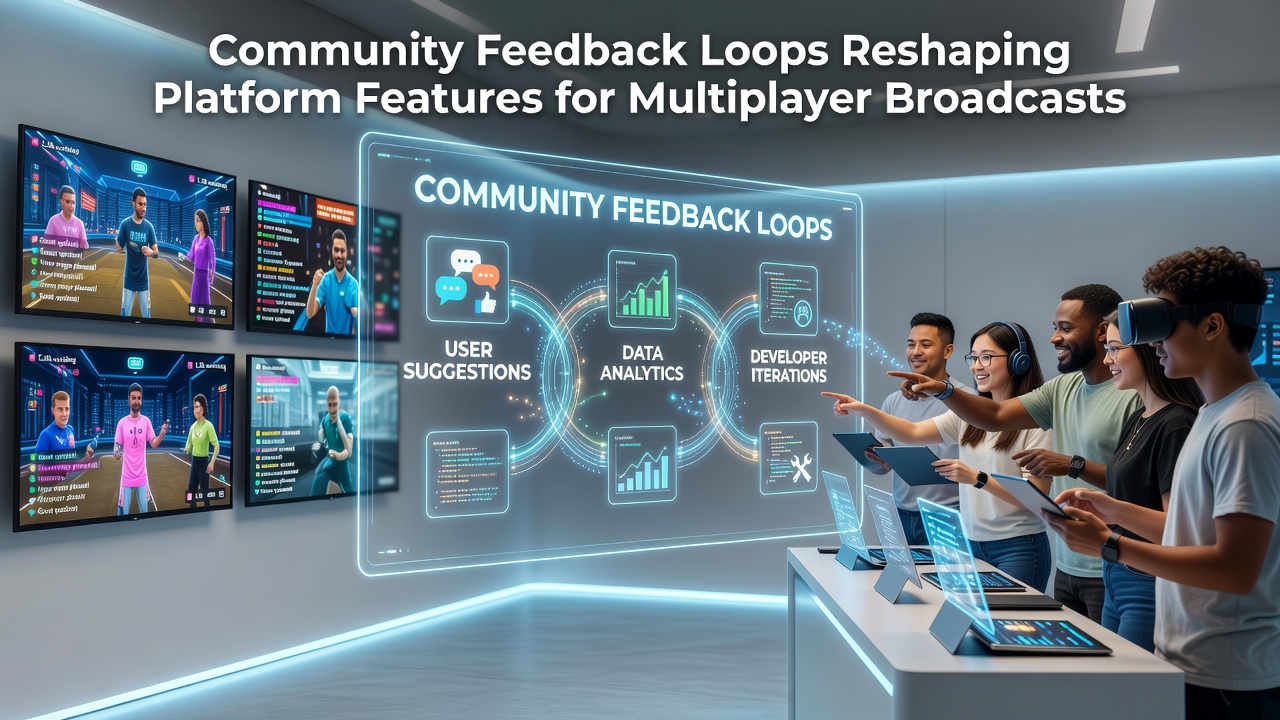
Community feedback loops have become central to how streaming platforms update and refine tools designed for multiplayer broadcasts, with developers incorporating real-time input from viewers and participants to adjust interface elements, interaction mechanics, and data visualization layers. These loops operate through structured channels where chat commands, poll results, and usage metrics flow directly into development pipelines, allowing platforms to iterate on features without waiting for full release cycles.
Mechanics Behind Feedback Integration
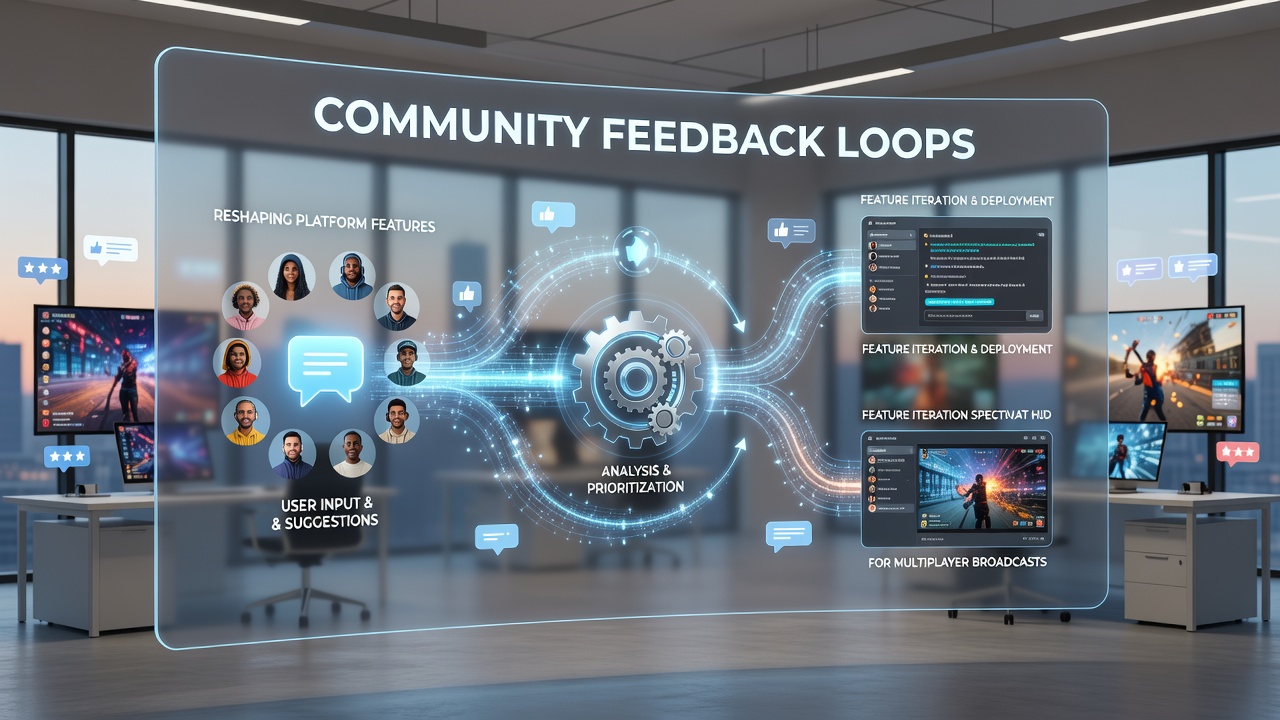
Platforms collect signals from multiple sources during live sessions, including viewer votes on camera angles, suggestions for overlay adjustments, and performance data tied to cooperative gameplay moments, then route this information through automated systems that flag patterns for immediate review. Developers at major services have implemented APIs that translate these inputs into priority queues, so changes to matchmaking displays or team communication panels can roll out within days rather than months. Research from Stanford University's Human-Computer Interaction Group shows how such systems reduce the gap between user requests and feature deployment by connecting live session logs with backend analytics dashboards.
Those who manage broadcast infrastructure note that feedback often clusters around specific pain points, such as latency in shared screen views during high-stakes team matches or limited options for audience-driven event triggers. In response, platforms have added modular plugins that let communities test variations of these elements in controlled environments before wider release, creating a testing ground where participation rates directly influence which variants survive.
Examples from Current Multiplayer Ecosystems
One documented case involves a cooperative battle royale title where viewers submitted thousands of comments requesting better integration between in-game map pings and external chat overlays. Within weeks the platform introduced a synchronized system that allowed audience members to highlight zones visible to all participants, an adjustment that increased average session retention according to internal telemetry. Similar adjustments have appeared in role-playing broadcast circuits, where feedback about character customization visibility led to expanded avatar rendering options that update dynamically based on collective viewer preferences.
Figures from the Entertainment Software Association reveal steady growth in features labeled as community-driven across leading multiplayer titles through mid-2026, with July marking the rollout of enhanced poll-to-action modules on several services. These modules convert viewer consensus into temporary game rules or broadcast filters, and early data indicates higher engagement when the loop closes visibly within the same stream.
Technical Adaptations and Data Handling
Backend architectures now prioritize low-latency pipelines that handle feedback volume spikes during peak international events, routing data through edge servers to minimize delays between input and visible platform response. Engineers have refined machine learning models that cluster similar suggestions, filtering noise while preserving outlier ideas that later prove valuable for niche multiplayer formats. A report issued by the European Commission's digital media research unit highlights how these models incorporate regional usage differences, ensuring feature updates reflect diverse audience behaviors rather than defaulting to dominant markets.
Security protocols have evolved alongside these systems to prevent manipulation of feedback channels, with verification layers that cross-reference account activity and session participation before weighting inputs. Platforms document these safeguards publicly, allowing observers to track how transparency measures affect trust in the loop process itself.
July 2026 Developments and Ongoing Patterns
By July 2026 several platforms had expanded their feedback portals to include direct links between broadcast analytics and in-game economy adjustments, letting communities influence reward distributions during cooperative events. Data shared at industry gatherings that month showed measurable lifts in participation when such linkages were made explicit to users. Observers note continued refinement in how platforms surface these connections, moving from static dashboards to contextual prompts that appear during relevant gameplay segments.
Patterns emerging across services indicate that sustained feedback loops correlate with longer viewer retention in team-based formats, though the precise mechanisms vary by region and title. Academic studies continue to examine these correlations through longitudinal tracking of both chat volume and feature adoption rates.
Conclusion
Community feedback loops continue to drive targeted updates to multiplayer broadcast platforms by translating participant signals into functional changes that affect interaction design and data presentation. As these systems mature, the pathways connecting input collection to feature deployment grow more direct, supported by technical infrastructure that handles volume and variety at scale. The result is an evolving ecosystem where platform capabilities shift in measurable response to collective activity rather than top-down planning alone.