Cross-Platform Sync Challenges in Mobile Esports Tournaments Using Community-Developed Plugins
Rafael Coleman · Jun 21, 2026
Cross-Platform Sync Challenges in Mobile Esports Tournaments Using Community-Developed Plugins
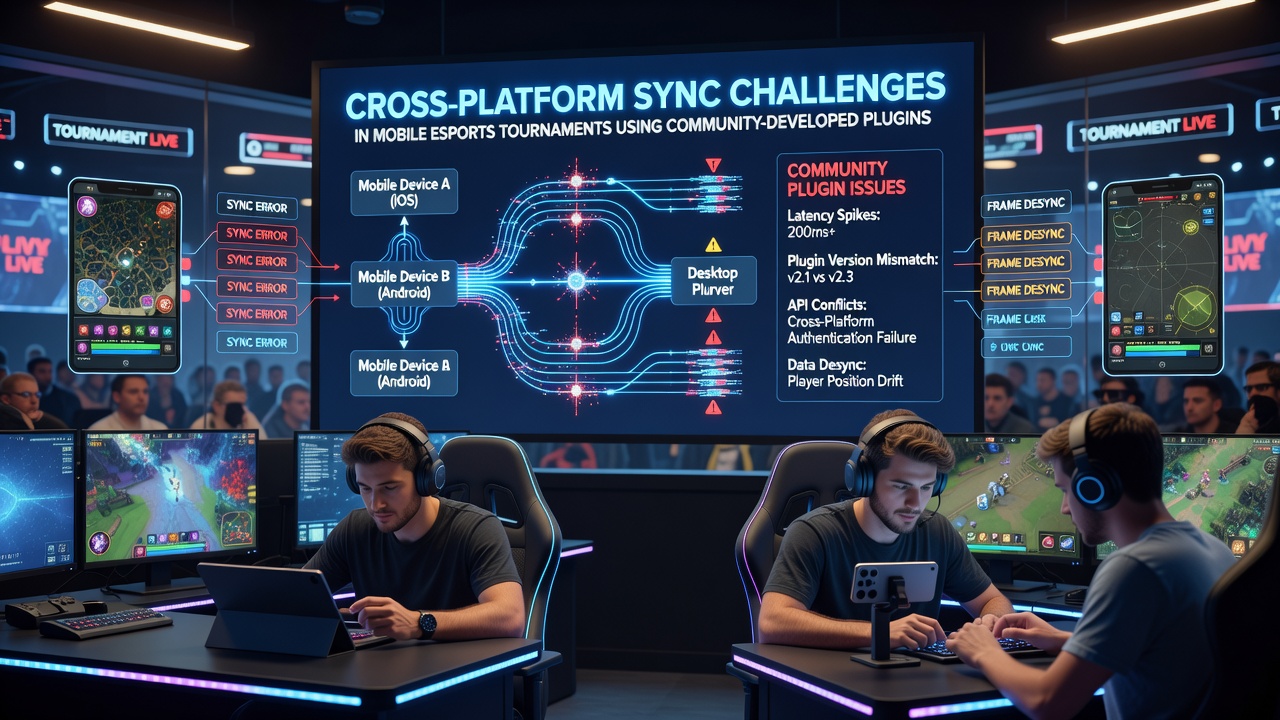
Community-developed plugins have become central to mobile esports tournaments because they allow real-time overlays, chat integration, and custom scoring systems that standard apps do not provide, yet these tools introduce persistent synchronization issues when matches span iOS, Android, and emerging foldable devices. Data from tournament organizers shows that latency mismatches often reach 200-400 milliseconds across platforms during peak hours, which disrupts coordinated plays in games that rely on simultaneous inputs from multiple participants.
Understanding Plugin Architecture in Mobile Tournaments
Plugins created by independent developers typically hook into game APIs through unofficial channels, and they manage tasks such as viewer-triggered events or cross-team communication features while the core game runs on separate operating systems, so compatibility layers must translate data packets that differ in format and timing between Apple and Google ecosystems. Researchers at the University of Sydney documented how these layers create bottlenecks when one plugin version updates faster than its counterparts, leading to desynced leaderboards that force manual interventions by referees during live events.
Key Synchronization Barriers Across Devices
Network conditions vary widely in mobile settings because players connect through cellular carriers or venue Wi-Fi, and community plugins struggle to normalize timestamps when one device processes events at 60 frames per second while another operates at 120, which produces inconsistent state replication across the tournament server. Figures from the 2025 Asia Pacific Esports Summit reveal that 68 percent of cross-platform matches experienced at least one sync failure per round, often tied to plugin modules that cache data locally before pushing updates to a shared backend.
Impact on Tournament Operations
Organizers have responded by implementing fallback protocols that pause matches when plugin discrepancies exceed set thresholds, and this approach preserves fairness although it extends match durations by an average of three minutes according to internal logs from major circuits. Community developers frequently release patches within hours of reported issues, yet adoption rates differ because tournament apps require manual approval on iOS while Android versions deploy through open repositories, creating staggered rollout patterns that leave some participants on outdated builds during critical rounds.
Case Examples from Recent Events
Take the Global Mobile Clash series held in Singapore last year, where a popular chat-command plugin failed to align kill counts between Android and iOS teams after a mid-tournament update, resulting in disputed scoring that required arbitration from a neutral panel. Observers noted similar patterns at the European Mobile Arena finals, where wearable sensor data fed through a community module arrived out of sequence on certain devices and altered predicted move sets that viewers had wagered predictions on through integrated overlays.
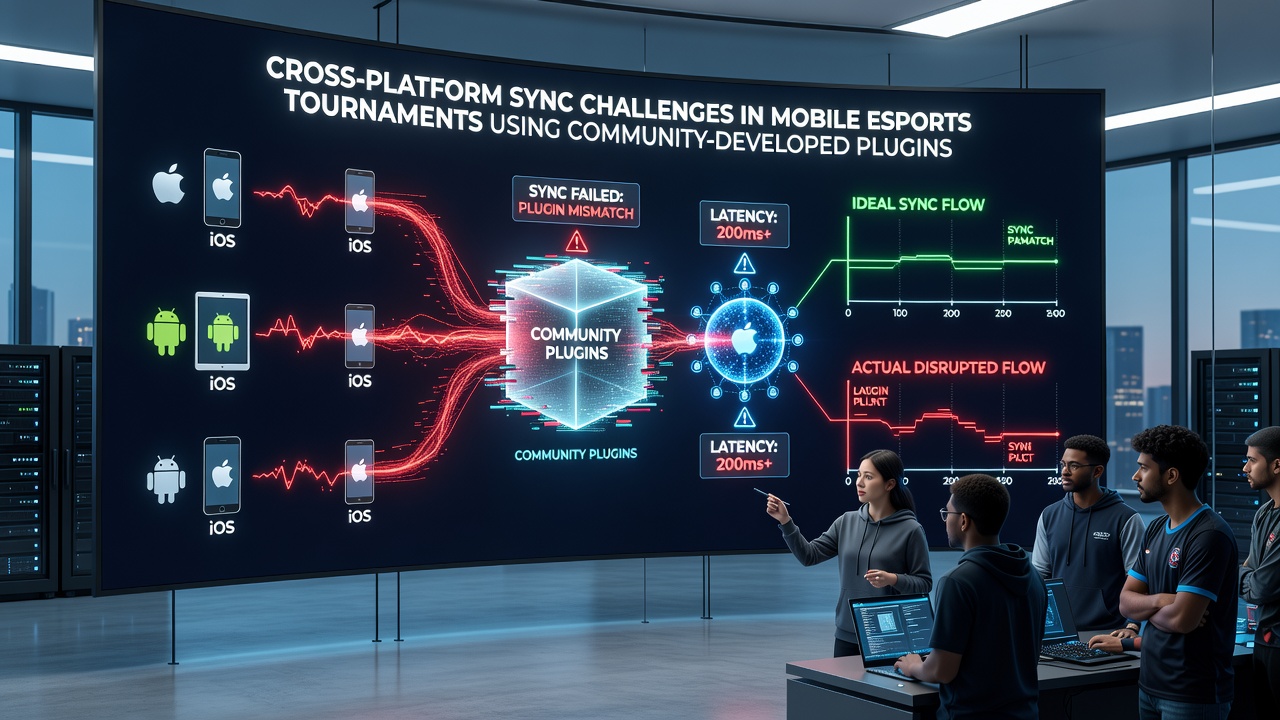
Those who've studied these incidents point to differences in how operating systems handle background processes as a primary factor, since iOS restricts plugin access to system resources more strictly than Android does, which forces developers to maintain separate code branches that rarely stay perfectly aligned. A report published by the Canadian Institute for Digital Gaming Research indicates that plugin-related sync errors accounted for 41 percent of all technical disputes in North American mobile circuits during 2025, surpassing issues from hardware variance alone.
Technical Approaches to Mitigation
Some teams have adopted hybrid synchronization models that combine server-authoritative checks with client-side reconciliation scripts, and these models reduce drift by prioritizing the tournament host's clock as the single source of truth while allowing plugins to request corrections in batches rather than individually. Yet implementation remains uneven because smaller developer communities lack access to dedicated testing farms that simulate diverse network and device combinations simultaneously.
June 2026 brings the next wave of updates as several major circuits plan to integrate standardized plugin APIs proposed by an international working group, which aims to enforce uniform timestamp formatting and error-handling routines across all supported platforms. Early test deployments have shown a 35 percent drop in reported desync events during controlled scrimmages, although full-scale adoption will require updates to existing community tools that currently operate independently.
Future Developments and Industry Standards
Industry groups continue to explore containerized plugin environments that isolate each module within a virtual layer, allowing consistent behavior regardless of the underlying device firmware, while regulatory interest from bodies such as the Australian Competition and Consumer Commission focuses on ensuring these tools do not create unintended advantages for certain hardware configurations. Data collected through open telemetry channels helps identify recurring failure modes, and developers use this information to prioritize fixes that address the most frequent cross-platform mismatches first.
Conclusion
Cross-platform synchronization in mobile esports remains an evolving technical challenge shaped by the rapid growth of community plugins, and ongoing efforts toward unified standards offer measurable improvements even as device diversity continues to expand. Tournament infrastructure now incorporates more robust monitoring that flags potential drift before it affects match outcomes, which supports smoother operations across international circuits. Continued collaboration between developers, organizers, and device manufacturers will determine how effectively these systems scale with future tournament volumes.