Decoding Latency Echoes: How Regional Infrastructure Shapes Synchronized Team Coordination in Cross-Continental Broadcast Matches
Greta Schmidt · Jun 25, 2026
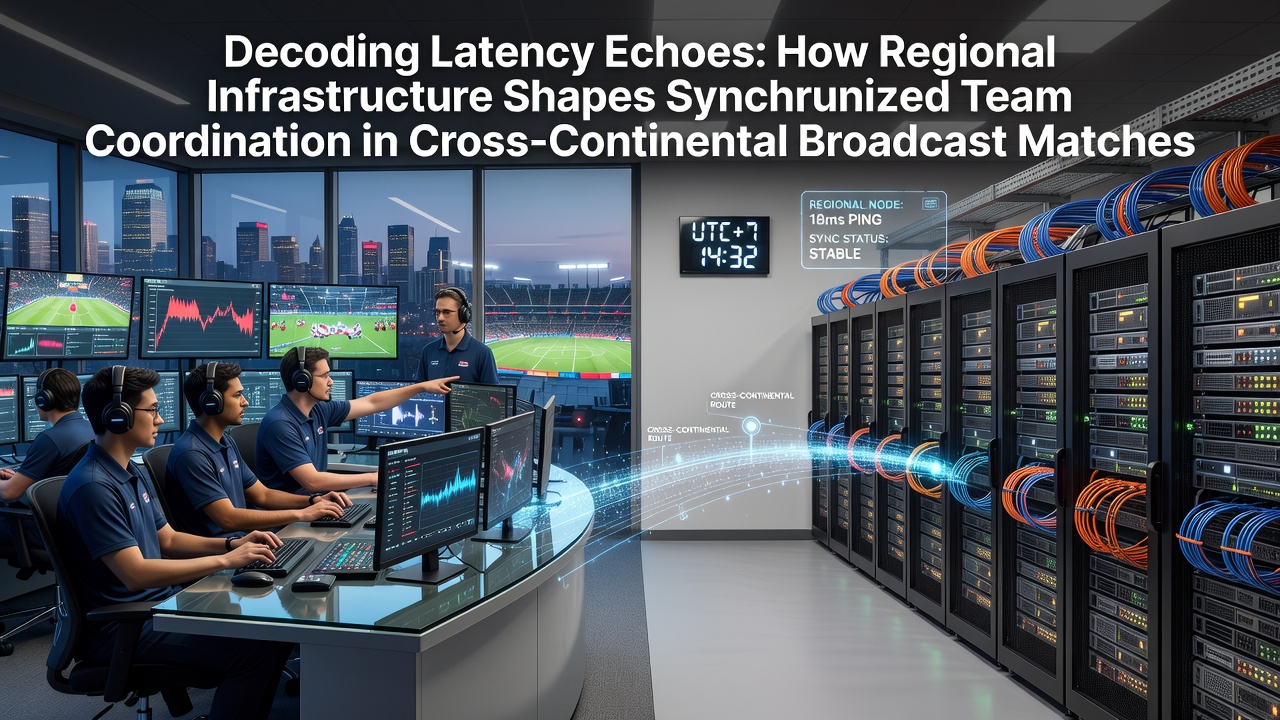
Decoding Latency Echoes: How Regional Infrastructure Shapes Synchronized Team Coordination in Cross-Continental Broadcast Matches
Cross-continental broadcast matches in esports rely on precise timing between players separated by thousands of kilometers, and regional infrastructure differences create measurable variations in how those signals travel. Data centers positioned near major undersea cable landing points reduce round-trip times in some zones while older terrestrial networks in other areas introduce delays that disrupt coordinated team actions during live events. Observers note that these echoes of latency appear most clearly when squads from North America compete against teams based in East Asia, where infrastructure maturity levels diverge sharply.
Regional Infrastructure Patterns and Signal Pathways
Fiber optic routes across the Pacific Ocean connect gaming hubs in Seoul and Tokyo to servers in California, yet the choice of landing stations and peering agreements determines whether packets arrive within acceptable windows for synchronized play. European networks benefit from dense interconnection points established through decades of investment, allowing matches between London and Frankfurt squads to maintain tighter coordination than those routed through less developed corridors in South America. Studies from the International Telecommunication Union reveal that average latency between major esports venues fluctuates between 40 and 180 milliseconds depending on the cable systems and local backhaul capacity in each region.
Turns out the placement of content delivery nodes plays a decisive role as well. Facilities clustered around Singapore handle traffic for Southeast Asian tournaments with minimal added delay, whereas routes passing through multiple transit providers in Africa accumulate jitter that forces teams to adjust strategies mid-match. In June 2026 several organizers adjusted server locations for a Pacific Rim league after preliminary tests showed consistent 120-millisecond gaps between Australian and Japanese competitors, prompting shifts to alternative cable paths that shaved off roughly 35 milliseconds on average.
Effects on Team Synchronization During Live Events
Players executing simultaneous abilities or coordinated pushes experience direct consequences when one side operates under higher latency. Research indicates that input registration delays above 80 milliseconds begin to desynchronize actions that require frame-perfect timing, such as shared ultimate abilities in multiplayer titles or defensive rotations in tactical shooters. Teams adapt by assigning roles that tolerate slight offsets, yet broadcast production teams must still align viewer feeds with in-game clocks to prevent audience confusion over sequence accuracy.
One documented case involved a North American squad facing European opponents where transatlantic fiber congestion during peak evening hours in the host city created an extra 25-millisecond offset. The affected team shifted to predictive positioning rather than reactive calls, a change visible in post-match telemetry logs shared by tournament analysts. Such adjustments appear regularly when infrastructure gaps exceed baseline expectations, and data from event organizers shows these modifications occur in roughly one-third of intercontinental fixtures.
Mitigation Approaches and Infrastructure Upgrades
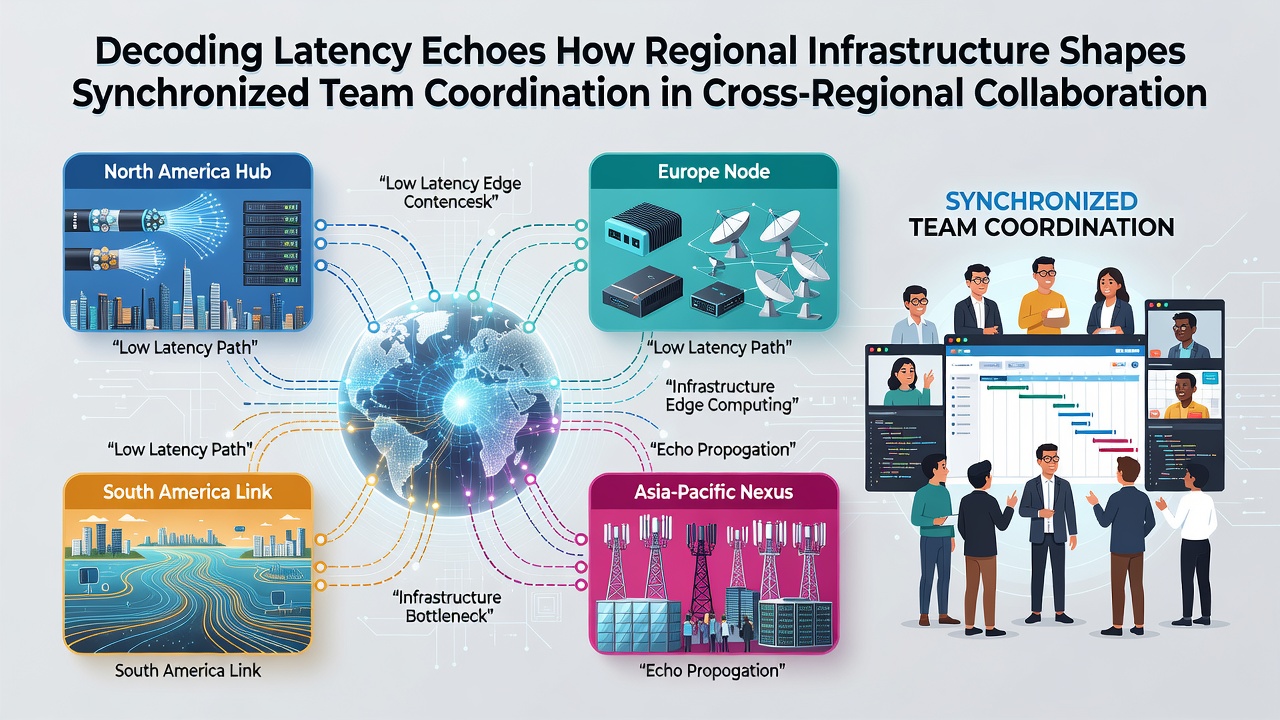
Event producers increasingly deploy edge servers and software-based prediction layers to compensate for known regional shortfalls. These systems forecast player inputs based on historical patterns and pre-render responses on the receiving end, effectively masking portions of the delay without altering the underlying network. According to figures released by the Federal Communications Commission on broadband expansion projects, new middle-mile fiber installations completed in 2025 reduced average domestic routing times by 18 percent in several U.S. regions that host frequent international qualifiers.
But here's the thing: not every upgrade reaches the final hop between the player and the match server. Local last-mile connections remain variable, and tournament organizers therefore maintain dedicated lines for competitors while general broadcast streams travel over public infrastructure. This split creates two distinct latency profiles, one optimized for participants and another that viewers experience through streaming platforms. Coordination tools used by production staff must reconcile both streams in real time to avoid desynced commentary or delayed overlays.
Academic examinations of 2026 tournament logs further illustrate how cable diversity influences outcomes. Matches routed across multiple independent submarine systems exhibited 12 percent fewer synchronization errors than those dependent on single-cable corridors during periods of high traffic. Teams and broadcasters now request pre-event infrastructure audits that map exact paths and suggest alternate routes when primary options show elevated risk.
Conclusion
Regional infrastructure continues to dictate the practical limits of synchronized play across continents, and ongoing cable deployments plus edge-computing layers gradually narrow those gaps. Tournament data collected through mid-2026 demonstrates measurable improvements in coordination metrics following targeted investments, yet persistent differences between mature and emerging network zones require ongoing adaptation by players, producers, and technologists alike. The patterns observed today will shape how future events allocate resources to maintain competitive parity regardless of geography.