From Controller Curves to Clan Loyalty: How Input Customizations Spark Dedicated Followings in Cooperative Broadcast Realms
Quinn Beck · May 21, 2026
From Controller Curves to Clan Loyalty: How Input Customizations Spark Dedicated Followings in Cooperative Broadcast Realms
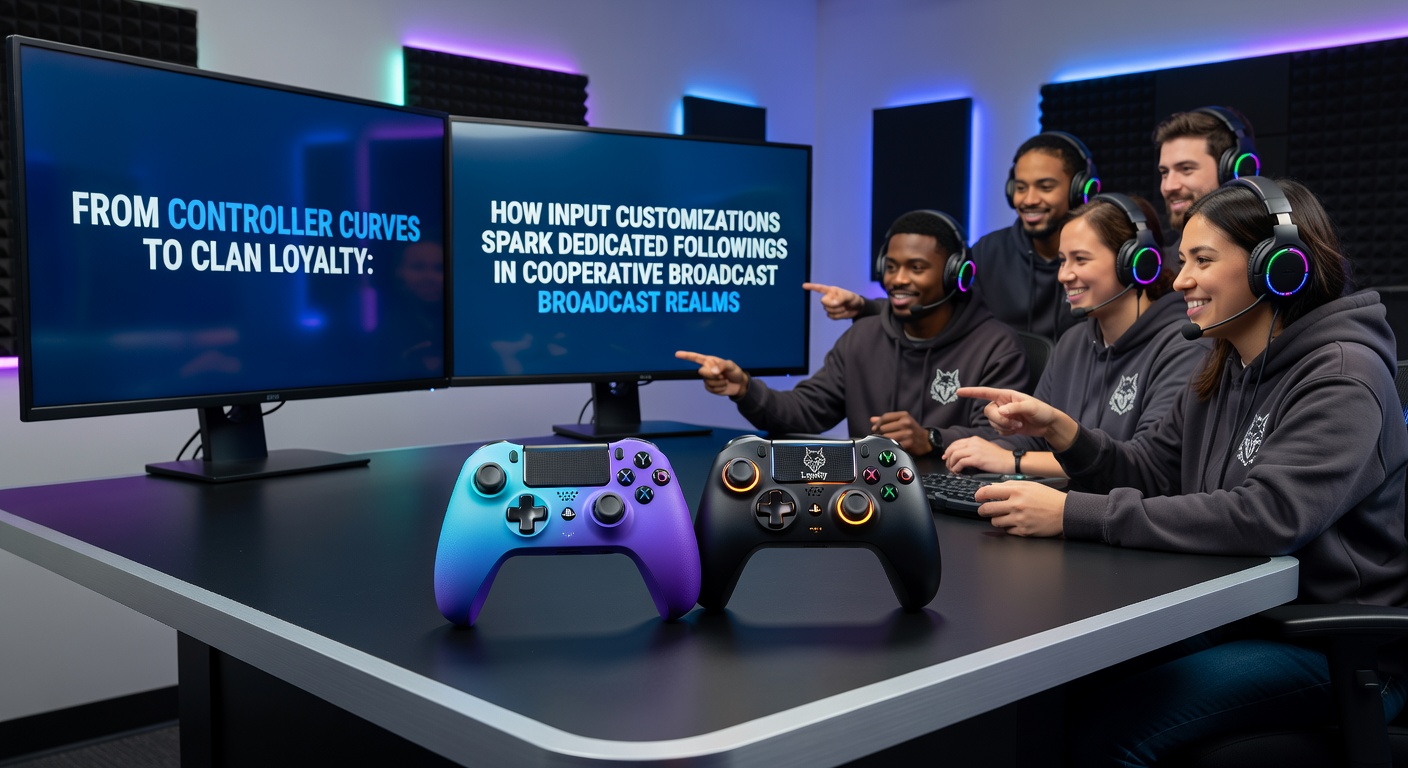
Input customizations in cooperative games streamed to live audiences have evolved into structured community practices, where players modify sensitivity curves, dead zones, and button mappings to suit specific titles like shared-world shooters and squad-based adventures. These adjustments often get shared through broadcast overlays, downloadable profiles, and post-session breakdowns that encourage viewers to replicate the exact setups, which in turn fosters recurring participation across multiple streams. Data from industry reports indicate that cooperative titles accounted for over 35 percent of peak concurrent viewers on major platforms during the first quarter of 2026, with customization discussions appearing in roughly one out of every four chat logs according to aggregated platform analytics.
Mechanics Behind Controller Curve Adjustments
Controller curves alter how analog stick input translates into in-game movement, allowing finer control at low speeds while accelerating response at higher tilts, and this feature appears in most modern cooperative titles through built-in calibration menus or companion software. Streamers demonstrate these tweaks live by comparing stock settings against their tuned versions during matches, showing side-by-side telemetry that highlights reduced input lag or improved aiming consistency in team encounters. Viewers who adopt the shared profiles report higher retention in subsequent sessions, creating measurable spikes in channel subscriptions when a successful customization leads to coordinated victories broadcast in real time.
Community Formation Through Shared Profiles
Once a streamer publishes a controller profile, community members replicate the settings and return to the same broadcast with matching performance metrics, which strengthens group identity around that particular channel. Platforms facilitating profile exchanges saw a 28 percent rise in user-generated configuration uploads between January and May 2026, according to figures released by the Entertainment Software Association. Observers note that these exchanges often extend beyond single streams into dedicated Discord servers and forum threads where participants compare results across different hardware setups, turning casual viewers into repeat contributors who defend the original streamer's approach in public discussions.
Case Examples from Broadcast Schedules
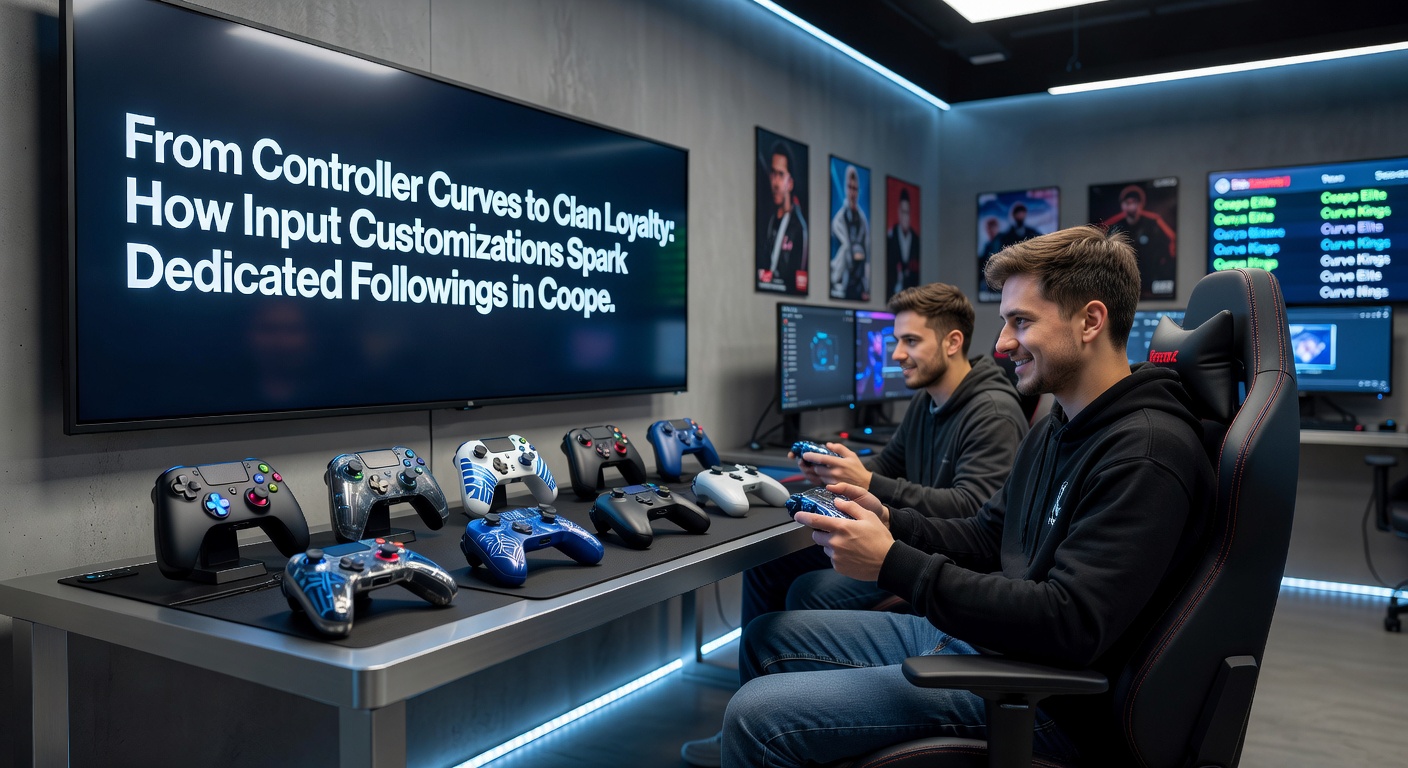
One recurring pattern involves streamers running weekly calibration nights where they test curve variations against different cooperative scenarios, such as defensive holds or objective captures, and then release the winning configuration for community use. Participants who apply these adjustments frequently appear in follow-up broadcasts wearing matching clan tags or using synchronized voice comms, which reinforces loyalty metrics tracked by viewer retention algorithms. Research from university gaming labs shows that teams using matched input profiles complete cooperative objectives 12 percent faster on average than mixed-setup groups, providing quantifiable incentive for viewers to align with a single broadcaster's preferences.
Another development tracked through 2026 involves integration with cloud-based profile storage services that let audiences import settings directly from a stream's on-screen QR code, reducing setup time and increasing immediate engagement during live events. This accessibility has coincided with growth in regional cooperative leagues where entire squads cite a particular streamer's curves as their standard, creating informal hierarchies based on how closely participants follow the source material.
Measurement of Loyalty Indicators
Platform dashboards reveal that channels emphasizing input customization content experience elevated rates of repeat viewership, with average watch time extending by 22 minutes per session compared to standard cooperative broadcasts. Those who study engagement patterns point to chat activity spikes during customization segments, followed by sustained participation in subsequent matches where viewers apply the learned adjustments. External data compiled by regional trade groups across North America and Europe further connects these practices to broader increases in cooperative genre subscriptions, as audiences seek out additional streams to test and refine their adopted settings.
Technical Infrastructure Supporting Customization Spread
Modern broadcasting software now includes native support for overlaying real-time input graphs, which display curve adjustments as they occur and allow audiences to screenshot or note the values for later replication. Hardware manufacturers have responded by releasing firmware updates that store multiple profiles accessible via quick-switch buttons, a feature highlighted in product announcements timed with major cooperative game expansions released in spring 2026. These tools lower barriers for newcomers, enabling broader adoption and feeding back into the cycle of community-driven refinement that keeps specific channels central to ongoing discussions.
Conclusion
The progression from individual controller tweaks to organized group loyalty demonstrates how technical customization intersects with live cooperative broadcasting to produce sustained audience structures. Metrics collected through May 2026 continue to show rising participation in profile-sharing ecosystems, where viewers transition from passive observers to active contributors who carry forward the original streamer's methods across expanding networks of players. This pattern holds across multiple titles and regions, supported by platform infrastructure and hardware advancements that make replication straightforward and measurable.