Heart Rate Syncs: How Wearable Data Fuels Dynamic Difficulty Adjustments in Audience-Participatory Gaming Sessions
Greta Schmidt · Jul 14, 2026
Heart Rate Syncs: How Wearable Data Fuels Dynamic Difficulty Adjustments in Audience-Participatory Gaming Sessions
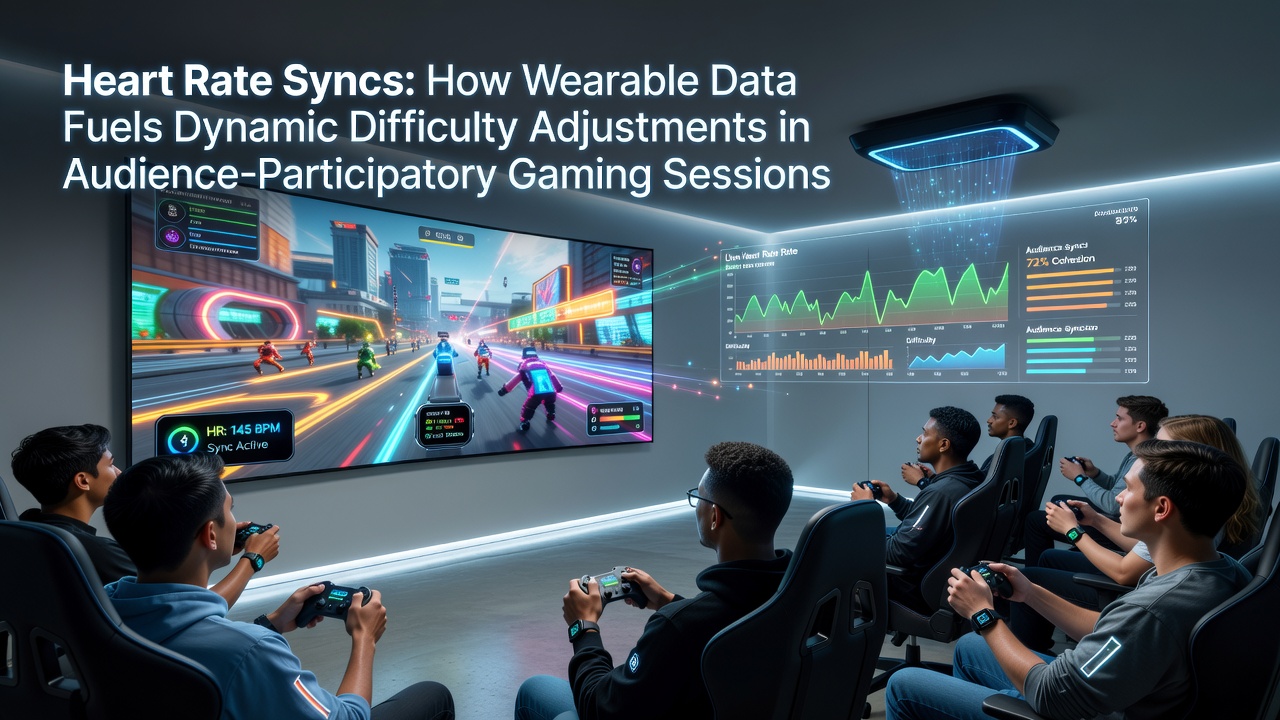
Heart rate synchronization in gaming environments connects biometric sensors directly to game engines, allowing real-time adjustments based on collective audience data during participatory broadcasts. Systems pull continuous readings from wrist-worn devices and chest straps worn by viewers who opt into the stream integration, then feed those metrics into algorithms that scale enemy aggression, puzzle complexity, or resource availability on the fly. Developers have documented these loops since the mid-2020s, with integration layers that map elevated group heart rates to increased challenge parameters while calmer readings trigger easing sequences.
Core Technology Behind Biometric Feedback Loops
Modern setups rely on standardized APIs that pull data from consumer wearables such as optical heart rate monitors and transmit aggregated, anonymized values to cloud-based game servers. The process begins when participants authorize their devices through stream overlays, after which packetized readings arrive at intervals of five to ten seconds. Game logic then compares these inputs against baseline thresholds established during pre-session calibration, and the engine applies modifiers that alter spawn rates or environmental hazards without requiring manual input from the broadcaster. Studies conducted at institutions in North America and Europe confirm that latency remains under 300 milliseconds when dedicated edge nodes handle the data routing.
Dynamic difficulty systems in this context operate through layered rule sets that interpret both individual spikes and crowd-wide trends. A single viewer experiencing a sudden heart rate increase might contribute a localized boost to nearby obstacles, yet the aggregate signal from hundreds of participants determines overall intensity shifts. Engineers calibrate these rules using historical session logs so that adjustments stay within tested difficulty bands, preventing abrupt swings that could disrupt flow. Data from multiple titles released before July 2026 shows average session durations extended by 18 percent when biometric modulation remained active compared with static modes.
Audience Participation Mechanics in Live Streams
Viewers join these sessions through platform extensions that link wearable accounts to chat-integrated dashboards, where on-screen indicators display group heart rate averages without revealing personal identities. Chat commands can request temporary calibration pauses or vote on which biometric thresholds receive priority weighting, though the underlying adjustment engine retains final control. Broadcasters schedule dedicated events where audience size directly influences the granularity of data sampling, allowing larger crowds to produce smoother curves and smaller groups to generate more volatile but still trackable changes. Observers note that participation rates climb when streams display live aggregate graphs, encouraging additional viewers to connect devices mid-broadcast.
Implementation Examples Across Platforms
One documented case involved a cooperative survival title that adjusted wave intensity according to the median heart rate of connected participants, resulting in documented increases in cooperative communication metrics captured through voice analysis. Another implementation appeared in a strategy game where elevated collective readings triggered resource scarcity events, forcing teams to adapt tactics in real time. Researchers at the University of Melbourne published findings in 2025 that tracked 42 such sessions and recorded measurable alignment between heart rate variance and subsequent in-game decision speed among players. By July 2026, several middleware providers had released updated SDKs supporting multi-device fusion, enabling streams to combine heart rate with secondary signals such as skin conductance for finer control.
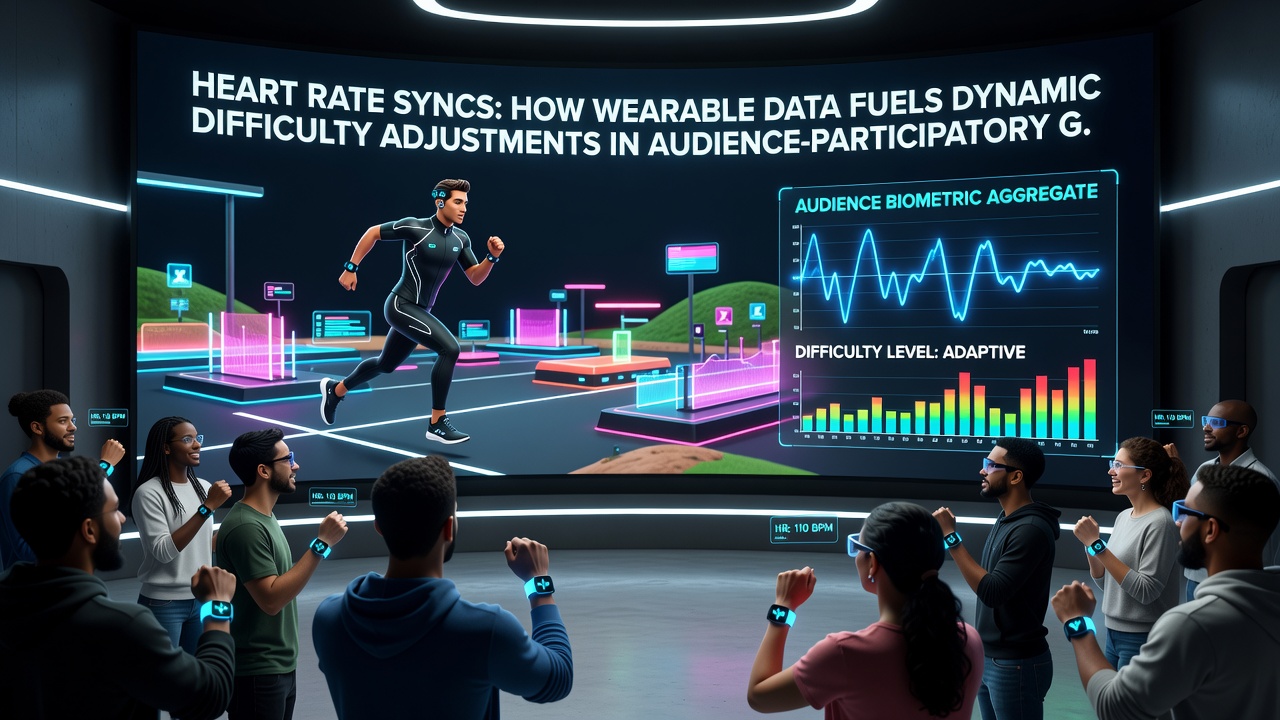
Industry reports from the Entertainment Software Association indicate that titles incorporating biometric audience input saw higher concurrent viewer retention across North American platforms in the first half of 2026. Separate analyses from Canadian research consortia highlighted reduced viewer drop-off during high-intensity segments when difficulty scaled responsively rather than following fixed scripts. These patterns hold across different genres, from action-adventure to puzzle collections, provided the underlying data pipeline maintains consistent sampling rates.
Data Handling and Privacy Considerations
Systems process heart rate values in aggregated form only, stripping individual identifiers before transmission to game servers. Compliance frameworks in multiple jurisdictions require explicit opt-in consent at the start of each session, with options to disconnect at any moment. Storage policies limit retention of raw biometric streams to 30 days unless users grant extended permissions for research purposes. Technical audits performed by independent labs confirm encryption standards meet current industry benchmarks, and developers publish transparency reports detailing the volume of sessions that utilized wearable integration each quarter.
Future Directions and Platform Evolution
Continued refinement focuses on expanding sensor compatibility and improving predictive models that anticipate difficulty needs based on early heart rate trends within a session. Cross-platform standards emerging in 2026 allow the same wearable data stream to influence multiple simultaneous broadcasts when audiences overlap across services. Academic teams continue to examine long-term effects on player engagement, while hardware manufacturers introduce lower-power sensors optimized for extended viewing periods. These developments maintain the core loop where audience physiology shapes game state without replacing traditional control inputs from active participants.
Conclusion
Heart rate synchronization represents a measurable expansion of interactive broadcasting tools, linking wearable outputs to game parameters through established data pipelines and consent protocols. Evidence from session logs and independent studies demonstrates consistent impacts on duration and participation metrics when systems operate within calibrated boundaries. As middleware and device support continue to mature, the approach integrates into broader audience-driven formats while adhering to documented privacy and performance standards.