How Biometric Wearables Sync Player Heart Rates with Chat Overlays to Boost Engagement in Cooperative Online Multiplayer Sessions
Quinn Beck · Aug 25, 2026
How Biometric Wearables Sync Player Heart Rates with Chat Overlays to Boost Engagement in Cooperative Online Multiplayer Sessions
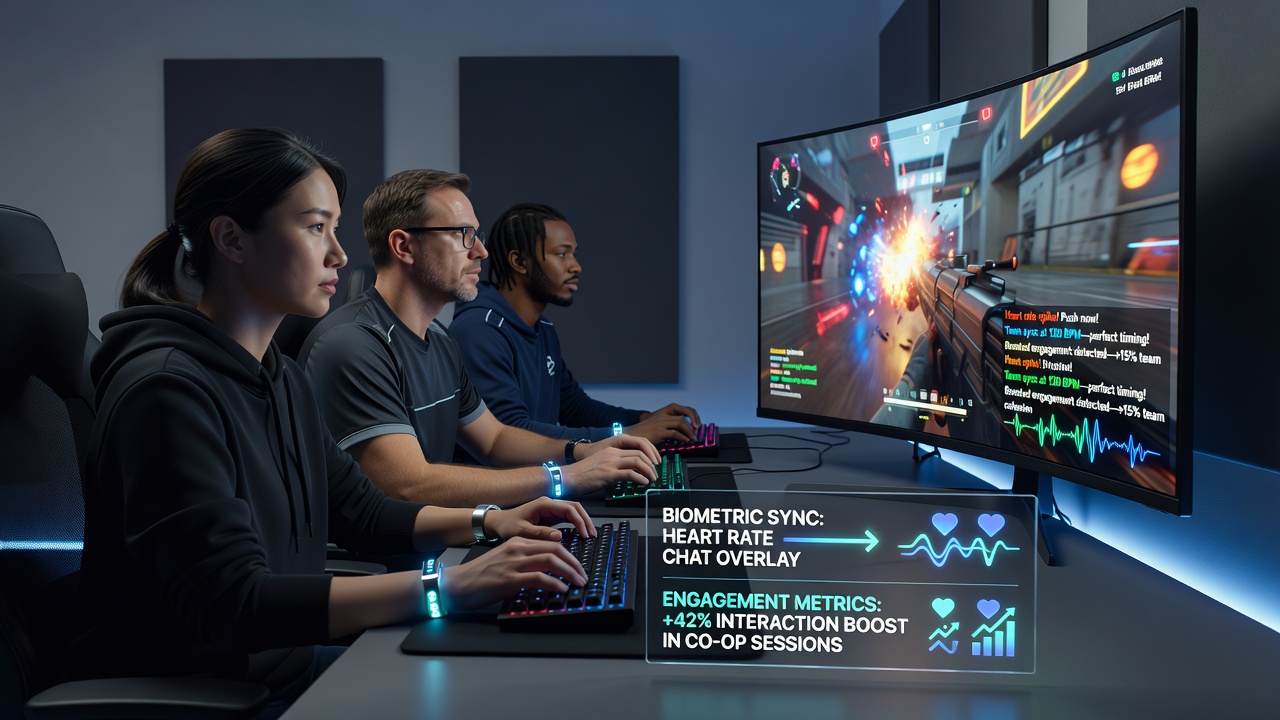
Biometric wearables capture heart rate data from players during cooperative online multiplayer sessions and transmit that information through dedicated APIs to streaming platforms where it appears as dynamic elements in chat overlays. Developers integrate sensors from devices such as fitness bands and smartwatches with game clients so that elevated heart rates trigger visual cues like color shifts or animated icons visible to viewers. Research indicates that these synchronized displays increase viewer retention by providing immediate feedback on player stress levels during team-based objectives.
Technical Integration Process
Heart rate monitors sample data at intervals of one second or less then forward readings via Bluetooth Low Energy connections to a local processing unit. Software bridges convert these readings into standardized formats compatible with overlay engines such as OBS Studio or Streamlabs. Programmers map specific heart rate thresholds to chat commands so that values above 120 beats per minute generate on-screen alerts while lower rates produce calmer indicators. In August 2026 several platforms introduced native support for these mappings reducing setup time for streamers who coordinate cooperative sessions across multiple time zones.
Data Flow and Overlay Mechanics
Once captured the heart rate stream travels through cloud-based relay servers that timestamp each value against in-game events. Overlay applications then render the information as scrolling text in chat windows or as persistent graphs positioned beside player avatars. Viewers who type specific commands receive filtered updates showing team average heart rates which fosters coordinated reactions during high-stakes cooperative moments. Studies conducted at the University of Melbourne have documented that such real-time visualizations correlate with a measurable rise in chat message volume during cooperative raids and joint missions.
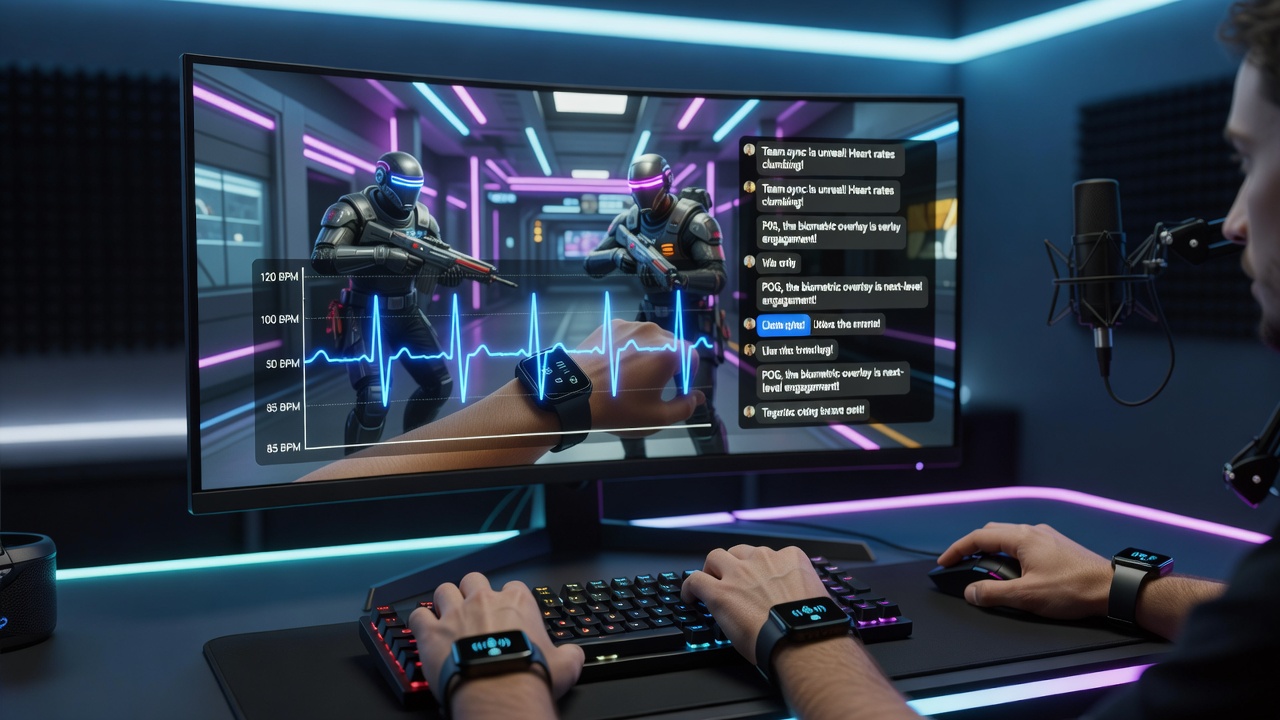
Developers refine these systems by applying smoothing algorithms that prevent abrupt spikes from overwhelming the display. Filters average data across short windows so that momentary fluctuations do not trigger constant visual noise. When multiple players contribute data the overlay aggregates values into a collective metric displayed as a single pulsing element which simplifies viewer interpretation during fast-paced cooperative gameplay.
Engagement Patterns in Cooperative Sessions
Cooperative multiplayer titles benefit particularly because shared objectives amplify collective emotional responses that heart rate overlays make visible. Data from the Interactive Software Federation of Europe shows that streams featuring biometric overlays maintain higher concurrent viewer counts compared with standard broadcasts of the same titles. Viewers often respond to rising heart rate indicators by sending encouragement through chat which in turn influences player performance and sustains the feedback loop. Observers note that this cycle appears most pronounced during extended sessions where team coordination determines success.
Platforms continue to expand compatibility with additional wearable models so that players using different hardware can participate without custom configuration. Middleware solutions standardize output formats allowing heart rate data from various manufacturers to merge seamlessly into one overlay feed. This standardization supports larger cooperative groups where each participant contributes individual metrics that the system blends into unified visual summaries.
Current Implementation Trends
By August 2026 several major streaming services had added dedicated biometric panels within their chat interfaces. These panels allow viewers to toggle between individual player heart rates and team averages while preserving the primary chat flow. Developers also introduced privacy controls that let players mask specific data points during sensitive moments without disrupting the overall overlay. Industry reports indicate steady growth in the number of cooperative streams incorporating these features as middleware tools become more accessible to mid-tier broadcasters.
Hardware manufacturers respond by releasing gaming-specific wearables with lower latency and extended battery life tailored for long cooperative sessions. These devices maintain continuous connectivity even when players move between different gaming stations. The resulting stability ensures that chat overlays receive uninterrupted data streams throughout marathon events.
Conclusion
Biometric wearables that sync heart rate data with chat overlays create measurable interaction layers within cooperative online multiplayer broadcasts. The technical pipeline moves sensor readings through standardized APIs into visual elements that viewers engage with directly. Continued platform updates and hardware improvements sustain this integration while preserving player privacy options. Data from multiple research sources confirms consistent patterns of heightened chat activity when heart rate indicators appear alongside live cooperative gameplay.