How Sentiment Analysis Tools Dynamically Reshape Narrative Flow in Marathon Multiplayer Streams
Carlo Long · Jun 18, 2026
How Sentiment Analysis Tools Dynamically Reshape Narrative Flow in Marathon Multiplayer Streams
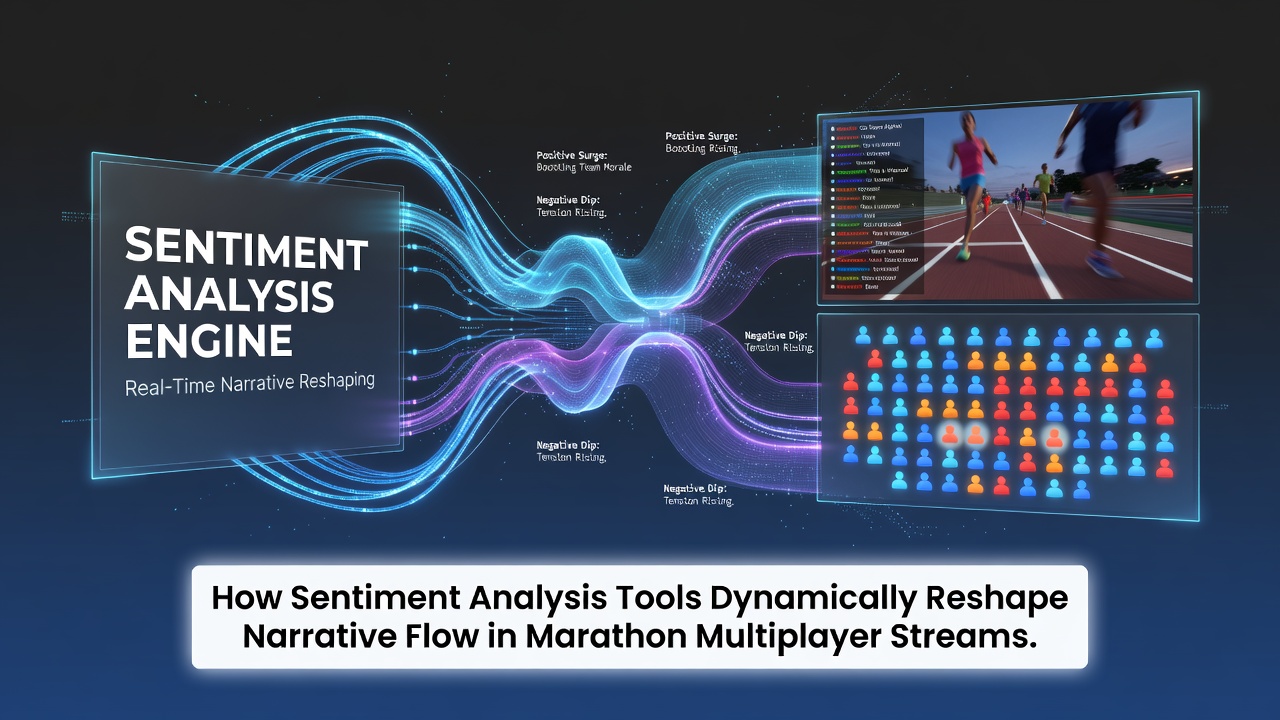
Marathon multiplayer streams often stretch across hours or even days and they pull in thousands of simultaneous viewers whose reactions shape every twist in the unfolding action. Sentiment analysis tools scan chat logs voice clips and emoji patterns in real time to detect shifts in collective mood then feed those signals back into the broadcast so the streamer can pivot the narrative without breaking immersion. Researchers at institutions across North America and Europe have documented how these systems turn raw audience data into actionable cues that keep long-form sessions coherent and engaging.
Core Mechanisms Behind Real-Time Sentiment Processing
Algorithms break incoming messages into categories such as excitement frustration or curiosity then assign weighted scores that update every few seconds. When collective positivity dips below a set threshold the software can trigger subtle overlays or prompt the streamer to shift focus toward cooperative objectives that reignite viewer investment. Studies from the Entertainment Software Association show that platforms integrating these tools during extended cooperative events report measurable increases in average session duration because narrative adjustments arrive before viewers disengage. The process relies on continuous machine-learning models that refine their accuracy as each marathon progresses so early-game data improves decisions made hours later.
Impact on Pacing and Story Arcs in Extended Broadcasts
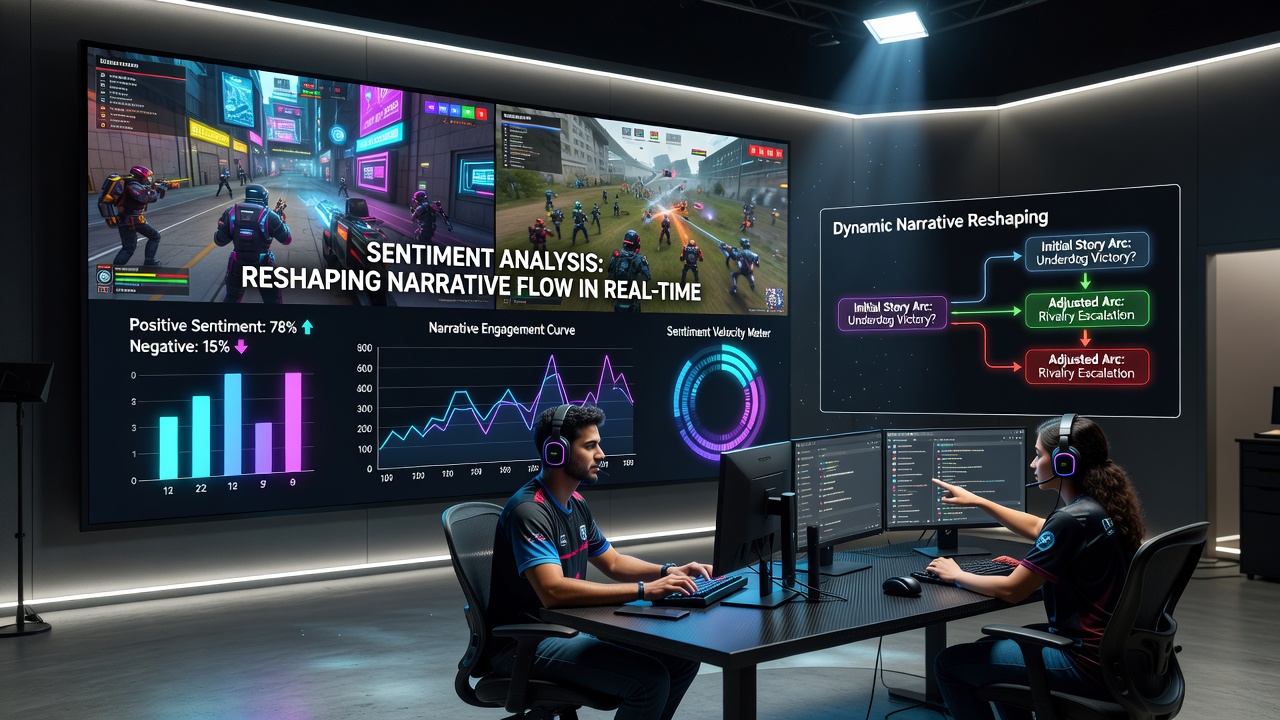
Streamers who rely on sentiment dashboards often notice that sudden spikes in negative language coincide with repetitive gameplay segments and they respond by introducing new map rotations or unexpected alliances. In June 2026 several major esports circuits adopted standardized APIs that let sentiment engines interface directly with game servers allowing automated event triggers such as spawning bonus objectives when viewer energy falls. Observers note that these integrations create a feedback loop where the broadcast narrative evolves organically rather than following a fixed script prepared days in advance. Data collected from Australian streaming networks indicates that teams using such systems maintain higher retention rates across twelve-hour-plus sessions compared with those depending solely on manual moderation.
Integration With Chat Moderation and Overlay Systems
Modern overlay software merges sentiment outputs with existing chat commands so moderators can highlight positive threads while the streamer steers gameplay toward viewer-preferred strategies. This setup reduces the cognitive load on the host who no longer needs to scan every message personally yet still receives synthesized summaries every minute. European research consortia have tested similar frameworks in cross-border tournaments and found that the combination of automated sentiment tracking adn live overlays produces smoother transitions between lulls and high-stakes moments. Viewers themselves remain unaware of the underlying analysis yet their collective input guides the direction of the story without any single participant dominating the conversation.
Case Examples From Recent International Events
During a 2025 endurance raid broadcast that spanned three continents sentiment tools flagged rising impatience among North American viewers while European audiences showed sustained curiosity. The production team adjusted camera angles and introduced regional shout-outs which balanced engagement across time zones. Similar patterns appeared in a June 2026 charity marathon where automated prompts encouraged the streamer to acknowledge milestone donations precisely when overall sentiment threatened to plateau. Industry reports compiled by Canadian digital media institutes confirm that these interventions correlate with sustained donation velocity rather than the typical mid-stream drop-off observed in unassisted broadcasts. The technology therefore functions less as a replacement for human judgment and more as an early-warning system that preserves narrative momentum.
Technical Requirements and Platform Compatibility
Deploying sentiment analysis at scale demands low-latency pipelines that process multilingual chat and regional slang without introducing noticeable delay. Cloud providers now offer pre-trained models optimized for gaming vocabulary so smaller production crews can access the same capabilities once reserved for large studios. Compatibility layers ensure the tools work alongside popular broadcasting software while respecting regional data-privacy regulations that differ between North American and Asia-Pacific jurisdictions. Those who maintain these systems emphasize regular audits because model drift can occur when viewer demographics shift unexpectedly during an extended event. Accurate calibration therefore remains essential for preserving the integrity of the narrative adjustments the tools propose.
Conclusion
Sentiment analysis has moved from experimental add-on to standard infrastructure in marathon multiplayer streams because it supplies continuous audience insight that directly informs pacing story beats and viewer retention. Platforms continue to refine these systems through iterative testing and cross-regional collaboration which ensures the tools adapt to evolving chat behaviors and gameplay formats. As more events adopt standardized interfaces the boundary between audience reaction and broadcast narrative grows increasingly fluid yet remains grounded in verifiable data streams rather than guesswork.