How Voice Modulation Tools Are Reshaping Community Bonds in Multiplayer Streaming Environments
Greta Schmidt · Aug 20, 2026
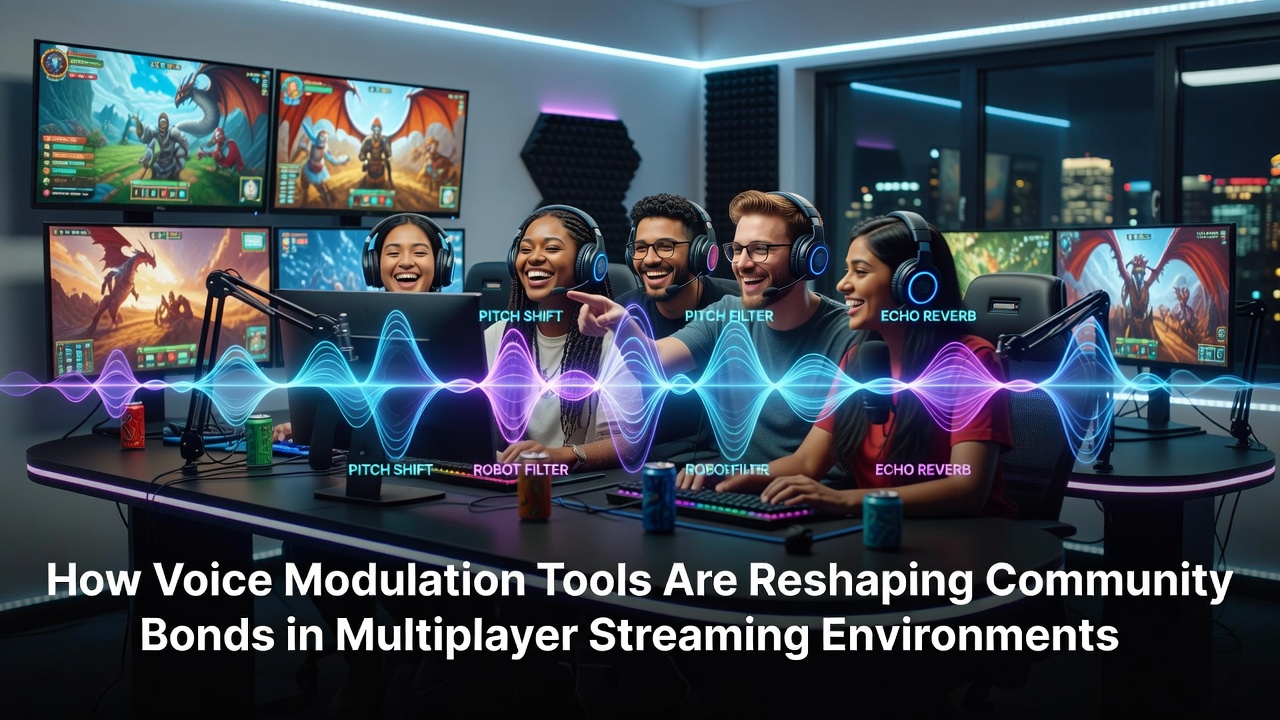
How Voice Modulation Tools Are Reshaping Community Bonds in Multiplayer Streaming Environments
Voice modulation tools have integrated into multiplayer streaming setups at a steady pace since the mid-2020s, and data from platform usage reports show increased adoption across Twitch, YouTube Gaming, and Discord-integrated broadcasts by August 2026. These tools alter pitch, timbre, and timing in real time while streamers interact with teammates and audiences during cooperative or competitive matches. Researchers at institutions tracking digital communication note that such modifications create layers of anonymity and character play that participants use to extend session lengths and repeat interactions.
Core Mechanics Behind Modulation Adoption
Software packages like Voicemod and Clownfish operate by intercepting audio streams at the driver level, applying filters that range from subtle pitch shifts to full character emulation, and routing the output back into game voice channels or broadcast mixes. Studies compiled by the Entertainment Software Association indicate that over 40 percent of North American multiplayer streamers incorporated at least one modulation preset into regular sessions by mid-2026. The technology supports low-latency processing under 20 milliseconds on standard gaming rigs, which keeps synchronization intact during fast-paced exchanges in titles such as Valorant or League of Legends. Observers tracking chat logs find that modulated voices often coincide with higher message volumes because viewers respond to the altered tone with emotes or direct questions about the effect itself.
Patterns in Group Formation and Retention
Multiplayer communities that employ consistent voice personas report measurable differences in retention metrics compared with baseline voice setups. A longitudinal dataset gathered through university-affiliated labs in Canada tracked 1,200 streamers over 18 months and found that channels using rotating modulation profiles retained 28 percent more repeat viewers than those relying on unaltered audio. Participants describe the effect as creating shared in-jokes around specific voice characters, which then carry across multiple streams and encourage off-platform coordination in Discord servers. The same dataset shows that modulation frequency correlates with longer average viewer dwell time, rising from 14 minutes in standard sessions to 22 minutes when distinct voice profiles appear.
Regional Differences in Tool Integration
European Union gaming associations documented parallel trends where modulation use clusters around cooperative survival games, whereas North American patterns lean toward battle royale formats. In both regions the tools serve as entry points for new community members who might otherwise hesitate to speak. Figures released by the Interactive Software Federation of Europe reveal that 62 percent of surveyed EU streamers had tested modulation features at least once by August 2026, with higher rates among groups playing cross-language titles. Language barriers shrink when a modulated voice neutralizes accent cues, allowing participants to focus on gameplay cues rather than vocal identity.
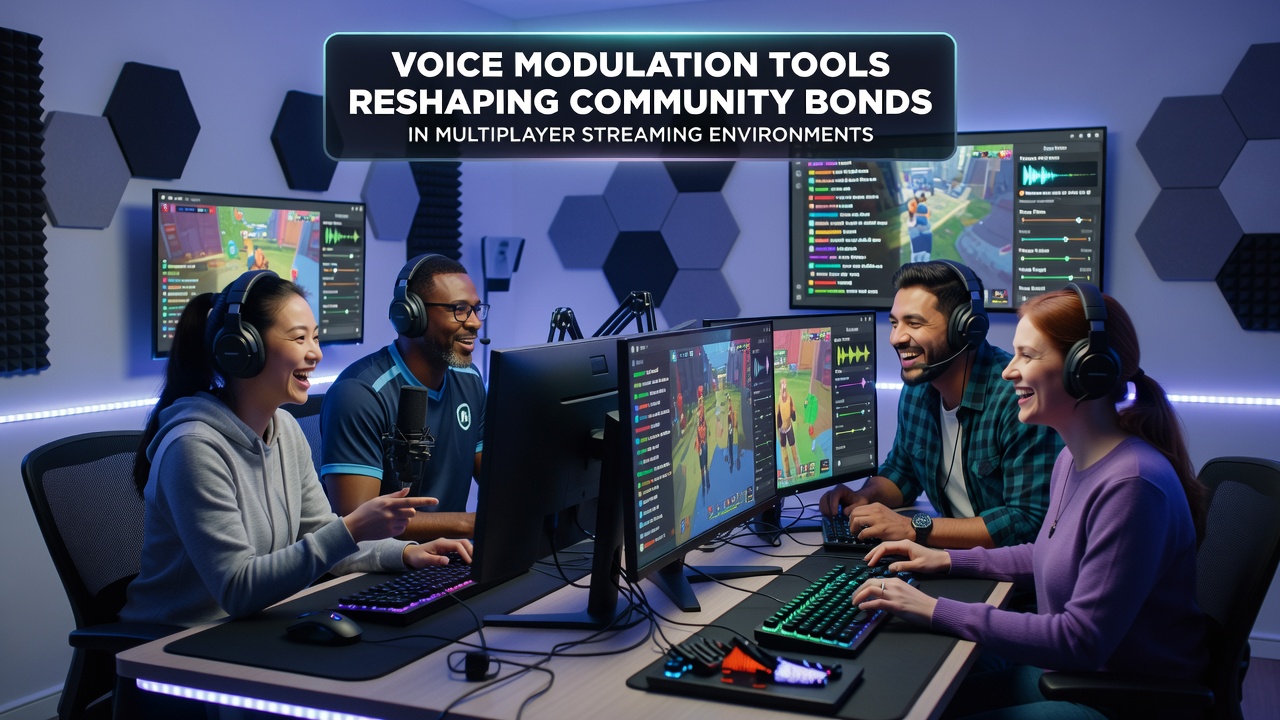
Technical Constraints and Platform Responses
Platform operators have adjusted policies to address both creative expression and potential misuse. Twitch updated its community guidelines in early 2026 to require clear disclosure when modulation alters identity for deceptive purposes, yet the same update explicitly permits character voices used for entertainment. Latency tests conducted by hardware review sites confirm that modern modulation plugins add negligible overhead when paired with current audio interfaces, though older USB microphones still exhibit occasional dropouts under heavy filter loads. Streamers who maintain stable setups report fewer technical interruptions and therefore sustain longer collaborative sessions that strengthen group cohesion.
Measurement of Interaction Quality
Analytics platforms integrated into streaming software now track voice-related engagement markers such as response time to modulated prompts and frequency of emote reactions tied to specific voice changes. One dataset covering 850 cooperative streams found that teams using matched modulation themes generated 35 percent more coordinated callouts per minute than teams without. These metrics translate into observable community outcomes: viewers form recurring watch parties around particular voice personas, and donation patterns show spikes during moments when the modulation reveals new character traits. Academic papers examining social presence in virtual environments link these spikes to increased feelings of shared identity among participants who otherwise remain anonymous.
Future Trajectories Based on Current Data
Industry forecasts project continued growth in modulation tool subscriptions through 2027, driven by hardware improvements that embed real-time processing directly into headsets. Cross-platform compatibility updates scheduled for late 2026 aim to reduce friction when streamers move between services while preserving consistent voice profiles. The same forecasts note that community managers increasingly treat voice modulation as a standard production element rather than an optional novelty, integrating it into event planning and tournament structures. Data from these integrations indicate sustained viewer loyalty when voice characters become part of recurring broadcast lore.
Conclusion
Voice modulation tools continue to influence how multiplayer streaming communities form, interact, and persist. Usage statistics through August 2026 demonstrate clear correlations between modulation adoption and metrics such as retention, chat volume, and cross-session coordination. Platform policy adjustments and hardware refinements support broader implementation without compromising broadcast quality. Observers monitoring these developments note that the technology functions as one component within larger ecosystems of overlays, plugins, and analytics that together shape participant relationships. Continued data collection will clarify the long-term effects on group dynamics across different game genres and geographic regions.