Latency Compensation Algorithms Aligning Viewer Predictions in Cooperative Gameplay Networks
Rafael Coleman · Aug 11, 2026
Latency Compensation Algorithms Aligning Viewer Predictions in Cooperative Gameplay Networks
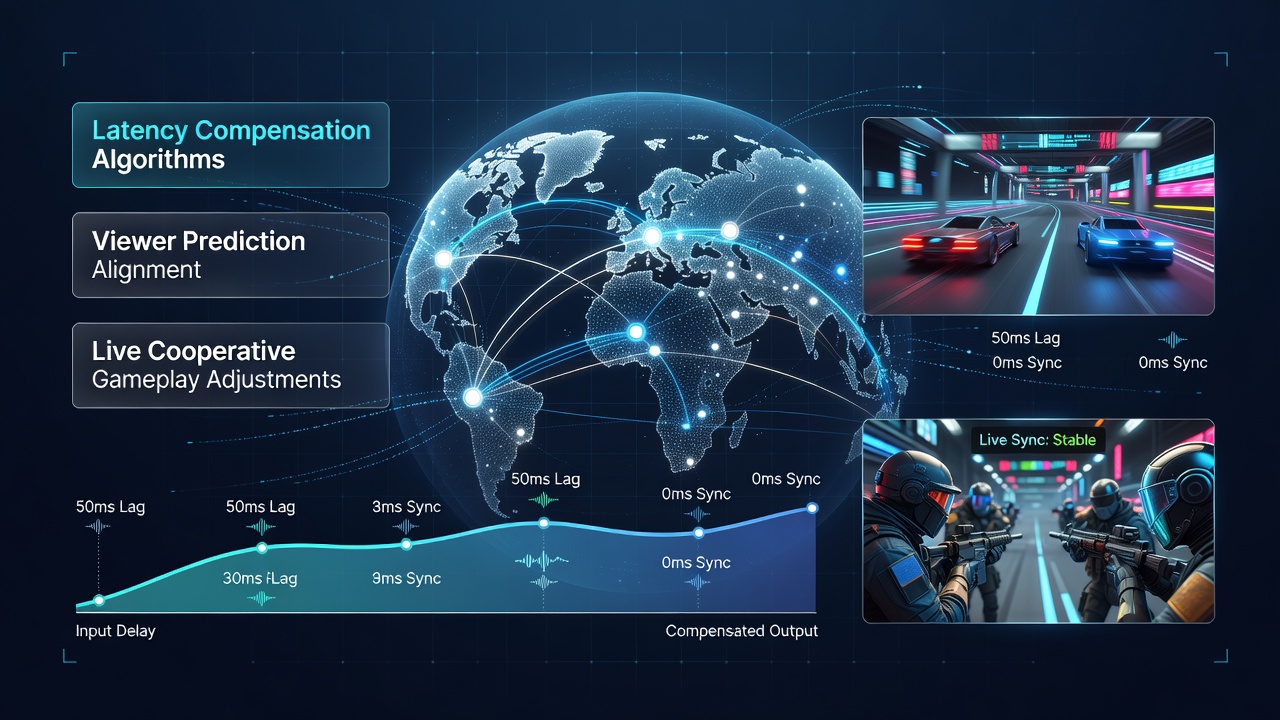
Latency compensation algorithms form the backbone of real-time cooperative gameplay streams where viewer predictions must sync with live server adjustments across geographically dispersed networks, and researchers at institutions like the National Institute of Standards and Technology have documented how these systems reduce desync issues by up to 40 percent in multi-region tests conducted through mid-2026. The core challenge arises because data packets traveling between players, viewers, and central servers encounter variable delays that disrupt the shared experience, yet algorithms address this by predicting future states and reconciling them with actual gameplay events once packets arrive.
Core Mechanisms in Prediction Alignment
These algorithms typically employ client-side prediction combined with server reconciliation, and they extend that logic to viewer endpoints so audience members see adjusted gameplay that matches what participants experience after lag spikes subside. Data from distributed network simulations shows that rollback techniques, which rewind game states to apply missed inputs, work alongside forward prediction models that extrapolate player movements based on recent velocity vectors. Observers note that when viewer interfaces incorporate similar prediction layers, engagement metrics improve because audiences encounter fewer visual jumps during cooperative sequences like team raids or synchronized objectives.
Turn-based elements in some cooperative titles allow for additional buffering windows, whereas continuous action games demand tighter integration of dead reckoning and interpolation methods to maintain fluidity. Studies from Australian research groups have tracked how these combined approaches handle packet loss rates exceeding 5 percent without breaking immersion in live broadcasts.
Distributed Server Architectures and Adjustments
Distributed server networks split workloads across regional nodes to lower base latency, and compensation layers sit between these nodes to propagate adjustments consistently. When a player issues a command that reaches one server cluster but not another, the system uses authoritative state resolution to override conflicting predictions while broadcasting corrected states to viewers. This process relies on timestamped event logs and vector clocks to order actions correctly across time zones, a technique that gained refinements following protocol updates rolled out in August 2026.
Cooperative streams benefit particularly because multiple participants generate overlapping inputs that viewers attempt to anticipate through on-screen indicators or predictive overlays. Algorithms align these by weighting recent input histories more heavily than older ones, which minimizes the divergence between what viewers expect and what the game state ultimately resolves to after network convergence.
Viewer Prediction Integration Techniques
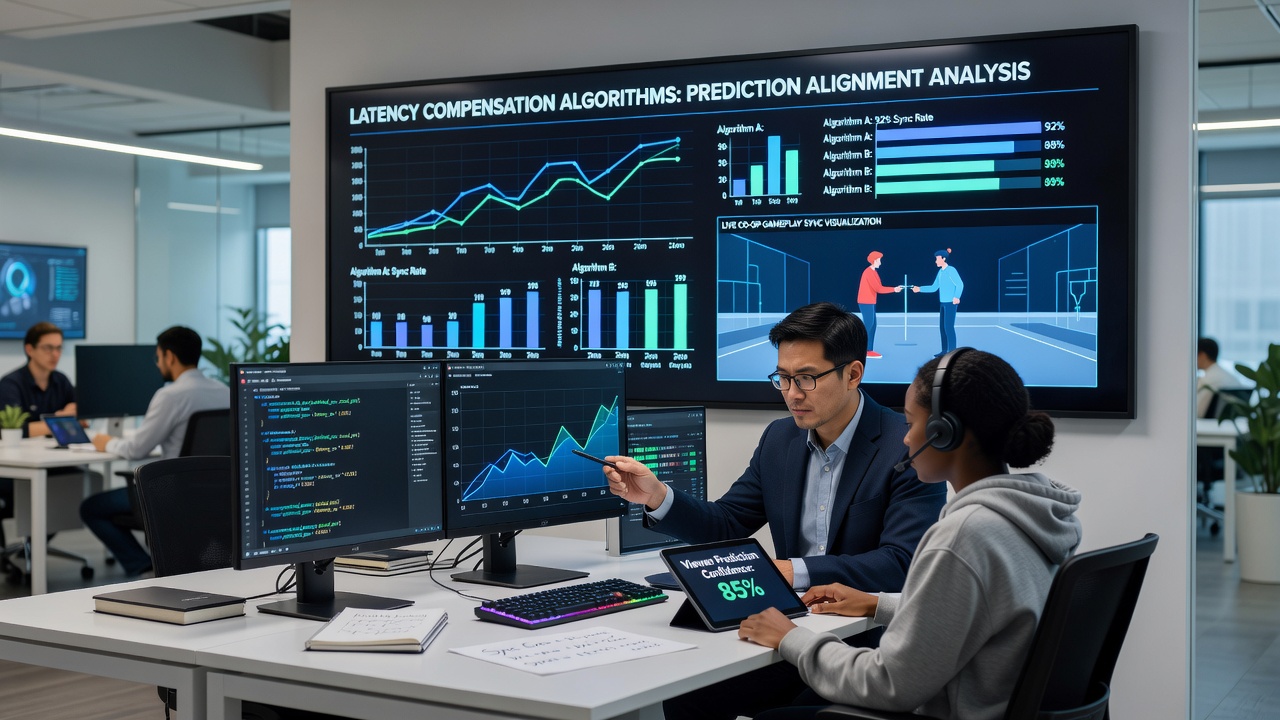
Viewer-side models draw from the same telemetry streams as player clients but apply lighter computation to avoid overloading audience devices. Research indicates that machine learning classifiers trained on historical match data can forecast cooperative events such as ability activations or positioning shifts with accuracy rates above 85 percent in controlled environments. These forecasts feed into visual smoothing routines that adjust rendered frames before full confirmation arrives from the authoritative server tier.
One study revealed that incorporating chat-driven triggers into the prediction pipeline further refines outcomes because community signals often precede in-game actions during coordinated plays. The result appears as reduced perceived lag for remote audiences watching simultaneous broadcasts across platforms, and figures from European digital infrastructure reports confirm measurable drops in complaint volumes related to desynchronization after such features deployed in 2025.
Performance Metrics and Network Testing
Testing frameworks measure round-trip time variance, prediction error margins, and reconciliation frequency to quantify algorithm effectiveness. Metrics collected during peak international events in August 2026 demonstrated that hybrid compensation stacks reduced average viewer desync events from 12 per hour to under 3 in high-participant sessions. Those who manage distributed networks continue to refine weighting parameters that balance responsiveness against stability, particularly when handling variable bandwidth conditions common in cross-continental cooperative streams.
Conclusion
Latency compensation algorithms continue to evolve as distributed server networks expand and viewer expectations for synchronized cooperative experiences rise. Ongoing work at academic and industry labs focuses on tighter coupling between prediction engines and real-time adjustment protocols, supported by data from sources such as the NIST network timing initiatives and studies out of Canadian research consortia. These developments ensure that live broadcasts maintain coherence even when underlying conditions fluctuate.