Linking Fitness Trackers to In-Stream Events for Enhanced Cooperative Gaming Experiences
Quinn Beck · Jul 12, 2026
Linking Fitness Trackers to In-Stream Events for Enhanced Cooperative Gaming Experiences
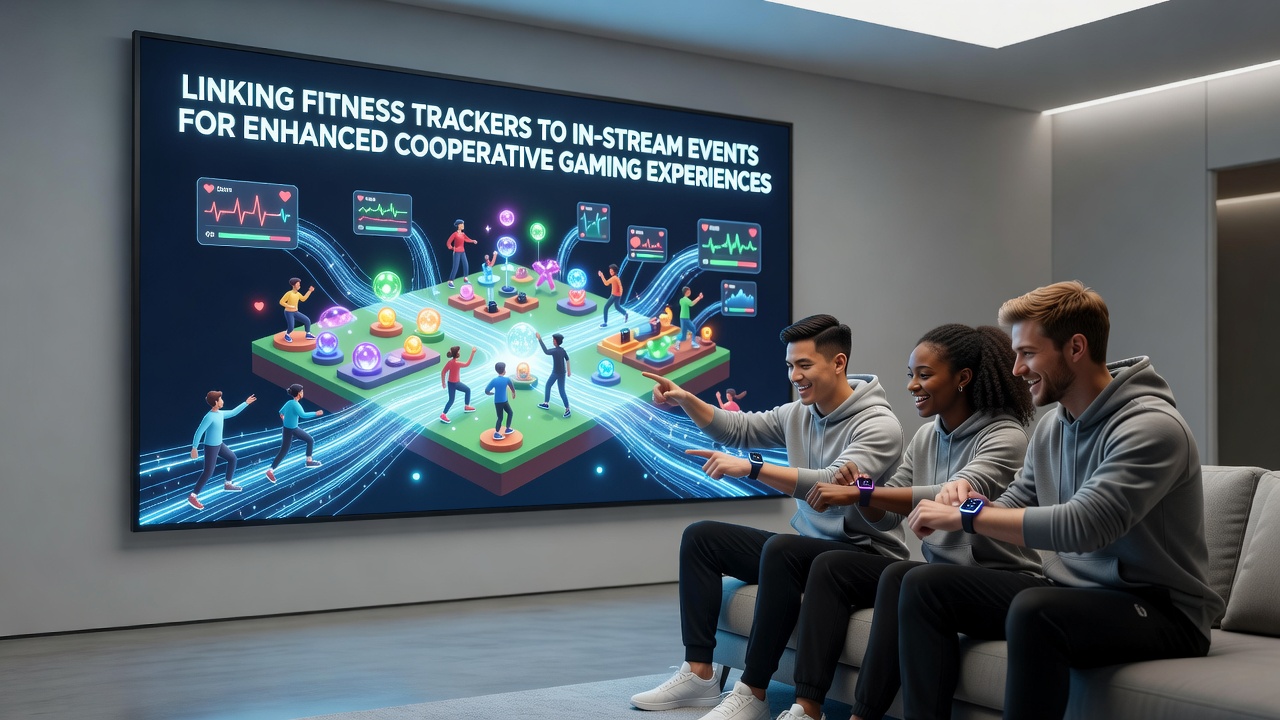
Cooperative gaming streams have begun incorporating data from wearable fitness devices to trigger in-stream events that respond directly to players' physical states during live sessions, and this integration draws on heart rate variability, step counts, and movement patterns collected from devices such as smartwatches and chest straps. Researchers at institutions across multiple regions have documented how these connections allow chat participants to influence gameplay through commands that activate when biometric thresholds are met, creating shared experiences in team-based titles where coordination depends on synchronized actions.
Technical Foundations of Biometric Integration
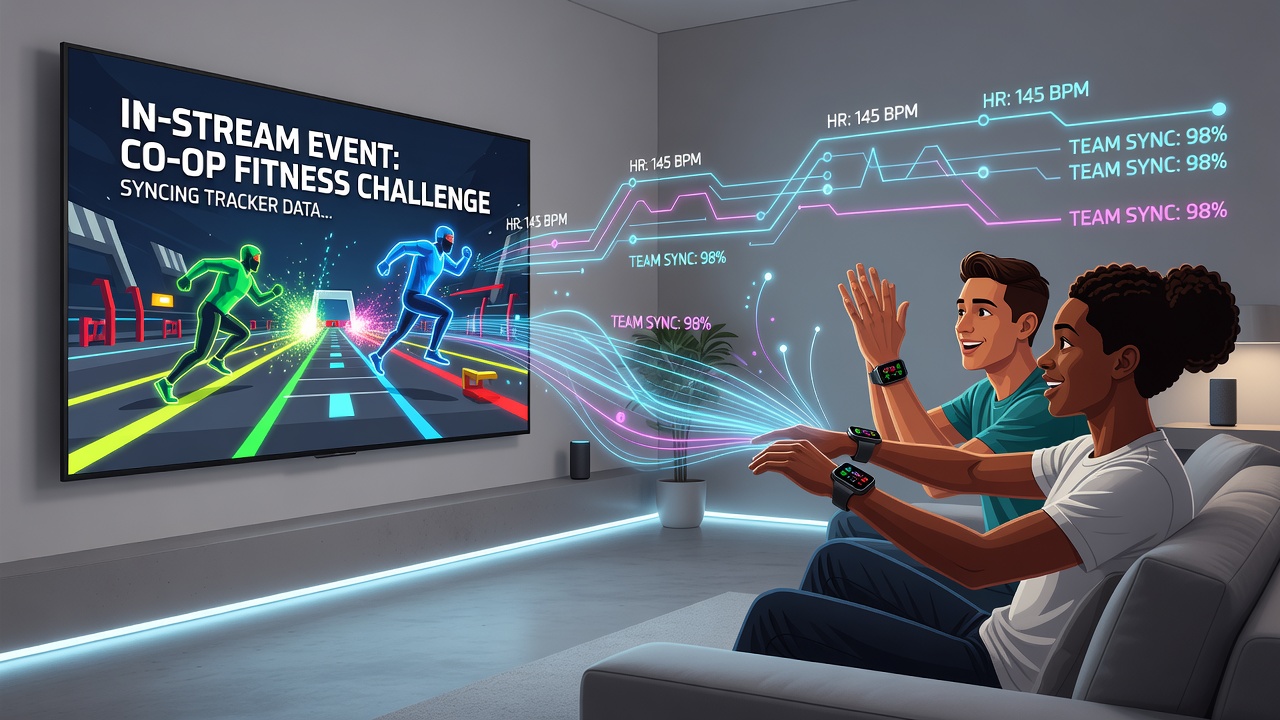
Developers connect fitness trackers to streaming software through application programming interfaces that transmit real-time physiological data into overlay systems, and these setups rely on secure Bluetooth or Wi-Fi protocols to feed information from wearables into platforms used for cooperative broadcasts. Data indicates that heart rate spikes during intense cooperative sequences can prompt automated events such as temporary power-ups or environmental changes in games, while sustained low activity levels might trigger viewer-voted challenges to maintain engagement across the stream. Studies from Canadian research centers have shown that such linkages require calibration protocols to filter noise from movement artifacts, ensuring accurate readings during extended play sessions that often span several hours.
Applications in Cooperative Gameplay Dynamics
Teams participating in multiplayer cooperative titles use these integrations to align physical exertion with in-game objectives, and observers note that a player's elevated heart rate can activate shared buffs for the entire group when certain thresholds are crossed during boss encounters or timed challenges. In one documented case from European esports circuits, fitness tracker inputs merged with chat commands to spawn additional resources when collective step counts reached milestones set by the audience, fostering participation beyond passive viewing. This approach extends to international streams where time-zone overlaps in July 2026 allowed synchronized events across regions, as participants in different locations contributed to group metrics that influenced live outcomes in real time.
Data Patterns and Viewer Interaction Trends
Analytics from industry reports reveal that streams incorporating fitness data see increased chat activity when events tie directly to measurable physical responses, and figures from Australian gaming associations highlight how emote frequency rises alongside biometric triggers that reward coordinated team efforts. Those who have examined participation graphs find that linking step counts or calorie burn estimates to in-stream milestones encourages viewers to suggest strategies based on visible health metrics displayed in overlays. Custom plugins developed for popular broadcasting tools enable these connections by mapping specific data ranges to game engine events, allowing seamless transitions between standard gameplay and audience-driven modifications without interrupting the cooperative flow.
Implementation Examples from Recent Events
Broadcasts in mid-2026 demonstrated sensor fusion techniques that combined wearable outputs with prediction models derived from prior viewer interactions, and one case involved a cooperative survival game where heart rate data from multiple players adjusted enemy difficulty levels in response to collective stress indicators. Research indicates these methods draw on established protocols from wearable technology studies, adapting them for entertainment contexts where accuracy supports both competitive balance and entertainment value. Participants often discover that calibration sessions conducted before streams improve reliability, reducing false triggers that could disrupt team strategies during critical moments.
Broader Ecosystem Considerations
Industry organizations have examined how such integrations affect stream stability when multiple data streams run concurrently, and evidence suggests that wired networking setups provide more consistent performance for transmitting biometric feeds alongside video and chat overlays. Peripheral calibration remains essential because controller inputs must align with the timing of fitness-triggered events to prevent desynchronization in fast-paced cooperative scenarios. Observers note that these systems also generate secondary datasets on viewer engagement patterns, which developers use to refine event parameters for subsequent broadcasts.
Conclusion
Linking fitness trackers to in-stream events establishes measurable connections between physical player states and cooperative gameplay mechanics, supported by technical frameworks that continue evolving through collaborative efforts among hardware manufacturers, software developers, and streaming communities. Data from varied geographic sources continues to inform refinements in these systems, ensuring compatibility across diverse device ecosystems while maintaining focus on enhancing shared experiences in live cooperative environments.