Mapping Viewer Migration Patterns Across Competing Live Broadcast Services During Major Tournament Seasons
Quinn Beck · Aug 27, 2026
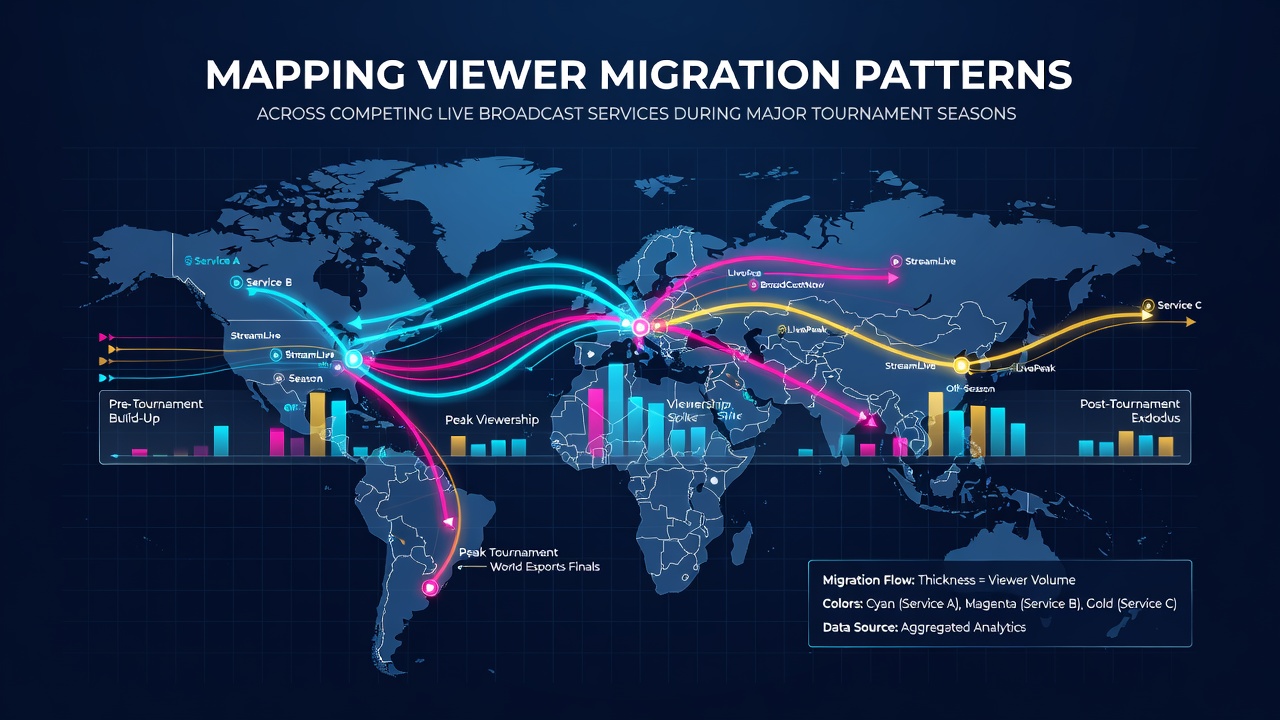
Mapping Viewer Migration Patterns Across Competing Live Broadcast Services During Major Tournament Seasons
Viewer migration between live broadcast services intensifies during major tournament seasons as audiences seek optimal combinations of latency, chat features, and multi-stream options. Data from esports analytics firms shows consistent movement across platforms like Twitch, YouTube Gaming, and emerging regional services when events such as the League of Legends World Championship or Dota 2 International draw peak interest. Observers note that these shifts often follow predictable cycles tied to broadcast quality, exclusive content deals, and regional availability rather than random fluctuations.
Key Drivers Behind Platform Shifts
Technical performance stands out as a primary factor, with researchers at institutions including the University of California tracking how viewers abandon streams experiencing buffering or high latency during critical matches. Studies indicate that a 10-second delay can trigger up to 25 percent of an audience to sample alternatives within minutes, especially when competing services offer synchronized multi-view options. And platform-specific tools play a role too, since integrated overlays for real-time stats or community voting keep participants engaged longer on one service while prompting exits from another.
Data Collection Approaches in 2026
Analysts combine public viewership metrics with anonymized user flow data to map these patterns accurately. During August 2026 tournament windows, tools deployed by industry groups such as the Global Esports Federation reveal spikes in cross-platform activity coinciding with opening rounds of events like the Valorant Champions Tour. Figures from these reports demonstrate that migration accelerates when one service encounters capacity issues, pushing audiences toward competitors with stronger infrastructure in specific time zones. Those tracking the data emphasize that viewer loyalty remains fluid, with many returning to their primary platform once technical issues resolve or preferred commentators appear elsewhere.
Regional differences add another layer, as European audiences show stronger tendencies to move toward services with localized language support during continental leagues, while North American viewers prioritize bitrate consistency. Australian research compiled through government-linked media authorities highlights similar behaviors during Asia-Pacific qualifiers, where viewers switch services to access lower-latency feeds from nearby servers. Such patterns underscore how geography and infrastructure intersect with tournament schedules to shape movement across platforms.
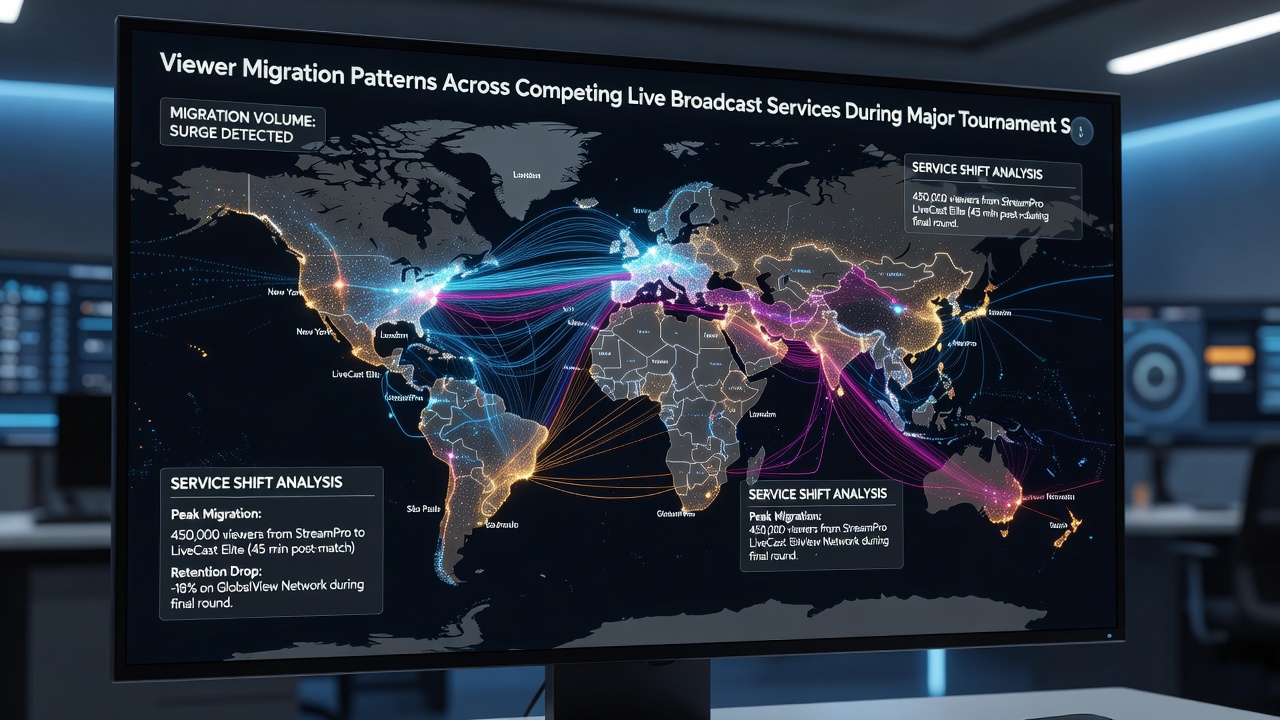
Observed Patterns During Recent Seasons
Case examples from the 2025-2026 cycle illustrate recurring behaviors. One analysis of the Counter-Strike Major in early 2026 found that roughly 18 percent of initial Twitch viewers sampled YouTube alternatives mid-event when that platform introduced enhanced picture-in-picture features. Yet migration reversed when the original service restored full chat integration, suggesting that social features retain pulling power even amid technical competition. Researchers documented parallel trends in mobile-dominant regions, where users toggled between apps based on battery efficiency and push notification timing rather than core video quality alone.
What's interesting emerges in the timing of these shifts. Data shows heaviest movement occurs during breaks between matches or during lower-stakes rounds, when viewers feel freer to experiment without missing decisive moments. By contrast, final rounds exhibit more stable viewership as audiences commit to whichever service delivers the most reliable coverage at that stage. Industry reports link this stability to pre-event promotions that lock in viewers through exclusive interviews or behind-the-scenes access available only on one platform.
Implications for Service Providers
Broadcast services respond to these documented patterns by adjusting pricing models for exclusive rights and investing in cross-promotional partnerships. Evidence from academic papers published in 2025 suggests that services gaining temporary migration surges often retain a portion of new viewers through improved retention tactics such as personalized recommendations based on past tournament viewing. Those studying the sector note that smaller platforms sometimes capture overflow audiences during high-traffic periods, creating opportunities for long-term growth if they maintain performance advantages.
Global events scheduled for late 2026 continue to provide fresh datasets for ongoing mapping efforts. Organizations monitoring these trends report that viewer behavior evolves alongside technological upgrades, including wider adoption of cloud-based encoding that reduces platform-specific bottlenecks. Such developments alter migration dynamics by minimizing the technical reasons for switching, leaving content exclusivity and community features as the dominant remaining variables.
Conclusion
Comprehensive mapping of viewer migration during major tournament seasons relies on continuous data aggregation from multiple regions and platforms. The resulting insights help explain how audiences navigate competing services based on performance, features, and timing. As tournament calendars advance through 2026 and beyond, these patterns will likely refine further with new technological and regulatory influences shaping the live broadcast landscape.