Player Heartbeat Patterns Guiding Automated Camera Switches in Professional Gaming Live Feeds
Carlo Long · Jul 26, 2026
Player Heartbeat Patterns Guiding Automated Camera Switches in Professional Gaming Live Feeds
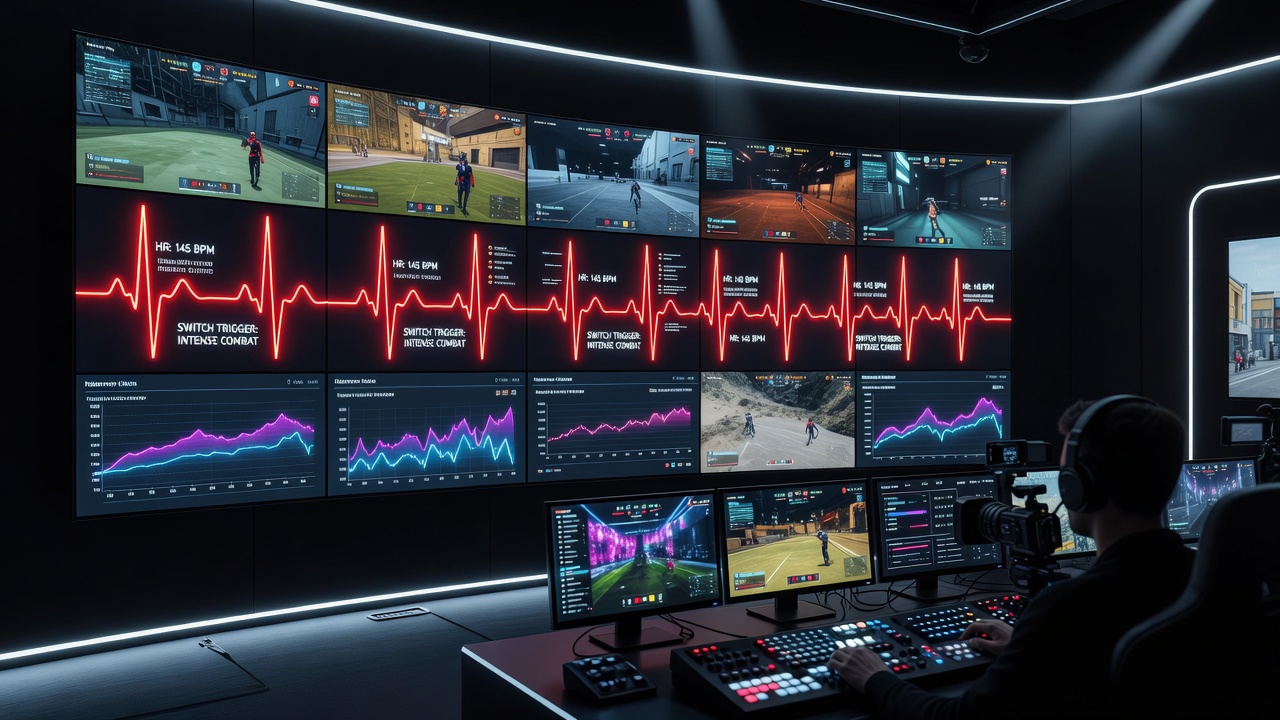
Professional gaming broadcasts now incorporate player heartbeat data to trigger automated camera switches, creating dynamic viewing experiences that align visual focus with physiological intensity during matches. Systems collect real-time heart rate information from wearable sensors worn by competitors, then feed those metrics into software algorithms that determine optimal moments for angle changes. This approach emerged from collaborations between esports organizers and technology firms that specialize in biometric integration, with implementations appearing at major events throughout 2025 and continuing into July 2026 tournaments across North America and Europe.
Technical Foundations of Heart Rate Integration
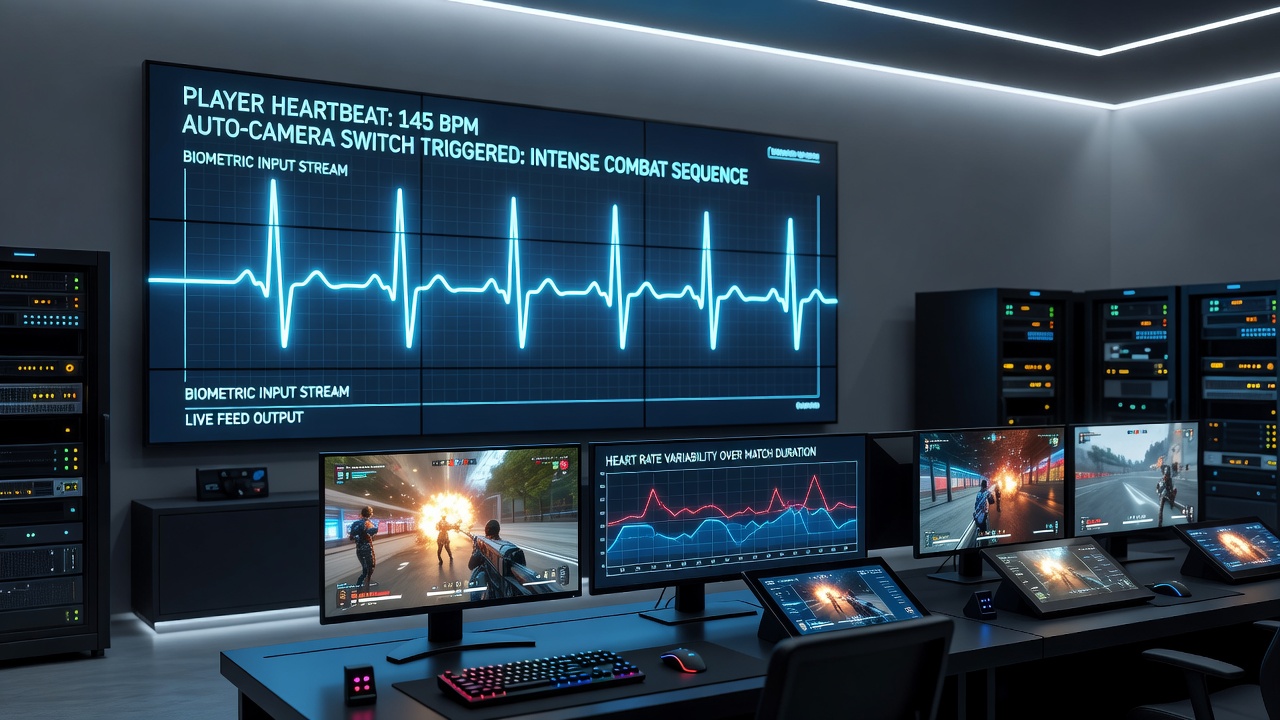
Heart rate monitors transmit data via Bluetooth or dedicated wireless protocols to central processing units that analyze patterns such as sudden spikes indicating high stress or sustained elevation during critical plays. Algorithms compare these readings against baseline metrics established before matches begin, then assign priority scores to available camera feeds; when a player's pulse exceeds predefined thresholds, the system shifts the primary broadcast view to capture that competitor's reactions or in-game actions. Research from the University of Sydney's sports technology lab demonstrates how these thresholds vary by game genre, with first-person shooters requiring faster response times than strategy titles because match pace differs significantly.
Implementation in Live Esports Events
Event producers at organizations like the ESL Pro League have tested heartbeat-guided switching during Counter-Strike tournaments, where elevated player heart rates often coincide with clutch situations that benefit from close-up shots. Data streams merge with existing production software through application programming interfaces, allowing seamless transitions without manual intervention from directors. Observers note that this method reduces reliance on human operators who might miss subtle physiological cues during fast-paced sequences, while maintaining consistency across multiple simultaneous matches in large arenas. A Canadian study published through the National Research Council tracked viewer engagement metrics and found correlations between automated switches and increased retention during peak excitement periods.
Data Processing and Decision Algorithms
Processing pipelines handle thousands of data points per minute, applying machine learning models trained on historical tournament footage paired with corresponding biometric logs to predict when switches will enhance narrative flow. These models account for variables including team composition, remaining match time, and individual player profiles that influence baseline readings. European Gaming Federation reports highlight how privacy protocols anonymize data streams before they reach broadcast systems, ensuring compliance with regional data protection standards while still delivering actionable insights for camera automation. Technicians calibrate sensors at the start of each session to account for factors like caffeine intake or pre-match anxiety that could skew initial measurements.
Integration Challenges and Solutions
Latency remains a key concern because delays between heart rate detection and camera execution can disrupt viewing rhythm, yet advancements in edge computing have reduced processing times to under 200 milliseconds in controlled tests. Broadcast teams combine heartbeat signals with traditional inputs such as kill feeds and objective timers, creating hybrid systems that prioritize physiological triggers only when they align with on-screen events. Industry analyses from the Asia-Pacific Esports Association indicate that adoption rates increased notably in 2026 as hardware costs declined and standardization efforts progressed across different game titles. Engineers continue refining outlier detection to prevent erroneous switches caused by sensor noise or temporary disconnections during intense physical movements.
Viewer Experience Metrics and Platform Adaptations
Streaming platforms report adjustments to overlay graphics that display aggregated heart rate trends without revealing individual competitor details, adding another layer of context for audiences. These visualizations update dynamically as the automated system executes switches, helping viewers understand why certain angles receive focus at specific moments. Data from multiple 2026 events shows that broadcasts incorporating heartbeat guidance maintained higher average concurrent viewership compared to standard productions, though exact figures depend on game popularity and regional audience preferences. Production software updates now include customizable sensitivity settings that let directors fine-tune how aggressively the algorithm responds to pulse variations.
Conclusion
Heartbeat pattern analysis continues to shape automated camera operations in professional gaming feeds as technology matures and more events adopt the approach. Integration with existing broadcast infrastructure provides measurable improvements in response timing while respecting player privacy frameworks established by governing bodies. Ongoing developments focus on expanding sensor compatibility across additional wearable devices and refining algorithms through accumulated match data from global competitions.