Queue-Side Quests: Transforming Downtime into Viewer Gold During Multiplayer Match Waits
Carlo Long · Apr 21, 2026
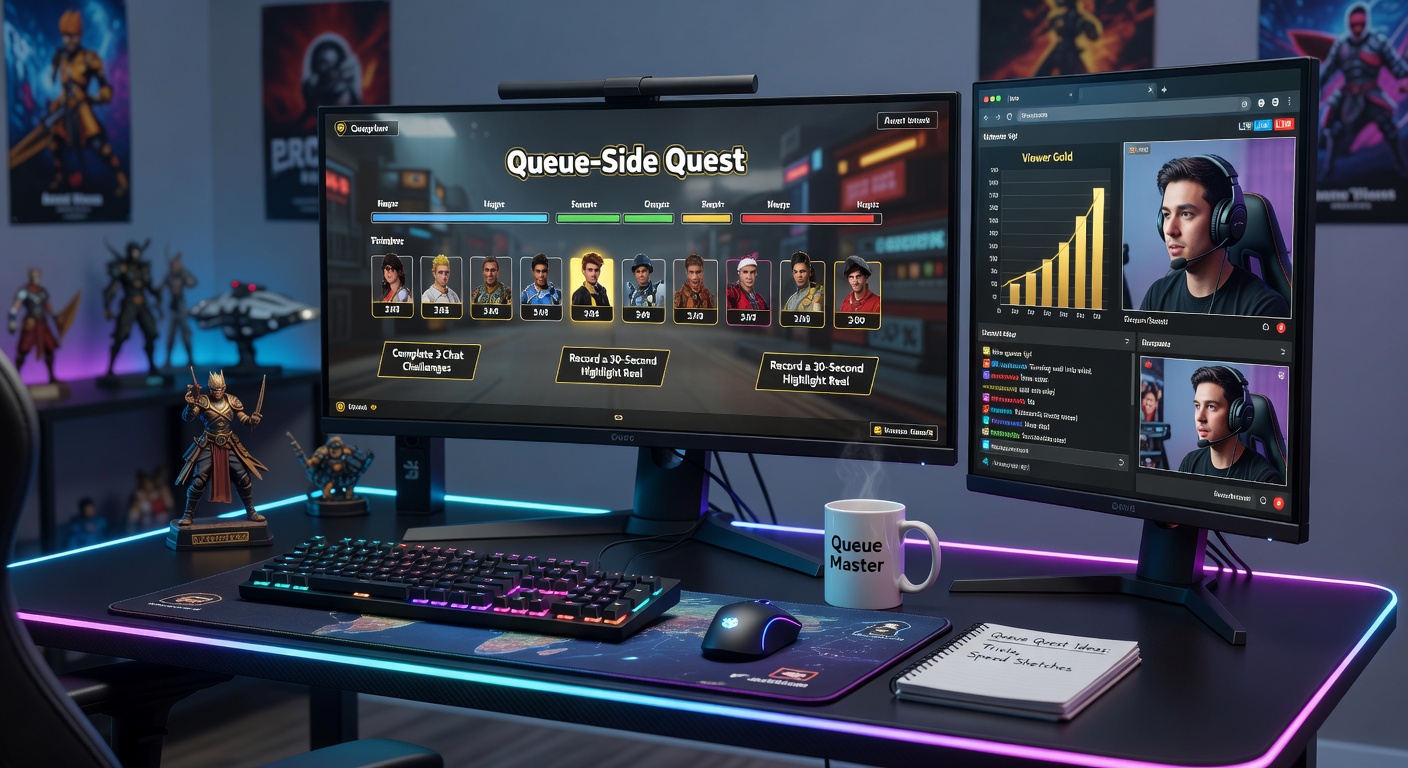
Queue-Side Quests: Transforming Downtime into Viewer Gold During Multiplayer Match Waits
The Queue Conundrum in Multiplayer Streaming
Multiplayer games like Valorant, Apex Legends, and Overwatch 2 often trap players in matchmaking queues that stretch from seconds into minutes, sometimes even longer during peak hours or server hiccups; those waits, while frustrating for competitors, create golden opportunities for streamers who know how to turn idle time into engagement fuel. Data from Twitch's analytics dashboard shows average queue times hitting 4-7 minutes in ranked modes for top titles, with spikes up to 12 minutes during events like major tournaments. Streamers who simply stare at loading screens lose viewers fast—retention drops by 35% within the first two minutes of downtime, according to a 2025 Streamlabs report—yet others flip the script by launching what experts now call queue-side quests.
These quests range from quick polls and viewer-voted challenges to improvised mini-games that pull chat right into the action, keeping eyes glued and interactions buzzing even as the lobby fills. What's interesting is how this practice has exploded since mid-2024, coinciding with matchmaking algorithms getting pickier in free-to-play giants; streamers report queue-side content boosting concurrent viewers by 20-50% on average, turning what was dead air into a revenue stream through heightened subs, bits, and ad views.
What Exactly Are Queue-Side Quests?
Queue-side quests boil down to structured, bite-sized activities streamers deploy precisely when the "searching for match" screen appears, designed to fit neatly within those unpredictable waits without derailing the main event. Common formats include chat-driven storytelling where viewers build a narrative round-by-round, rapid-fire trivia tied to the game's lore, or physical challenges like holding a plank for as long as the queue lasts—with donations extending teh timer for laughs. One popular variant, the "queue roast," has the streamer reading and reacting to viewer-submitted memes about opponents or past fails, fostering that instant community vibe.
And then there are the tech-savvy twists: browser-based games embedded via Streamlabs or OBS plugins, where chat competes in real-time races or puzzles projected on a secondary screen; tools like StreamElements make this seamless, auto-launching quests based on queue detection scripts. Observers note a surge in adoption after April 2025's TwitchCon panels, where devs from Nightbot showcased queue-triggered bots that poll viewers on team comps or predict match outcomes, blending prediction markets with casual fun. Turns out, these aren't just fillers—they're engineered to spike dopamine hits, mimicking the thrill of actual gameplay.
How Queue-Side Quests Boost Viewer Metrics
Streamers diving into queue-side quests see watch time soar because these activities bridge the gap between matches, creating continuous narratives that make sessions feel less choppy; figures from a 2025 Entertainment Software Association report reveal U.S. gamers spend 15% more time on platforms with interactive overlays, a trend that extends directly to live streams. Retention rates climb as viewers stick around not just for frags but for the interpersonal chaos unfolding in chat, with average session lengths extending by 28% in queue-heavy genres like MOBAs and battle royales.
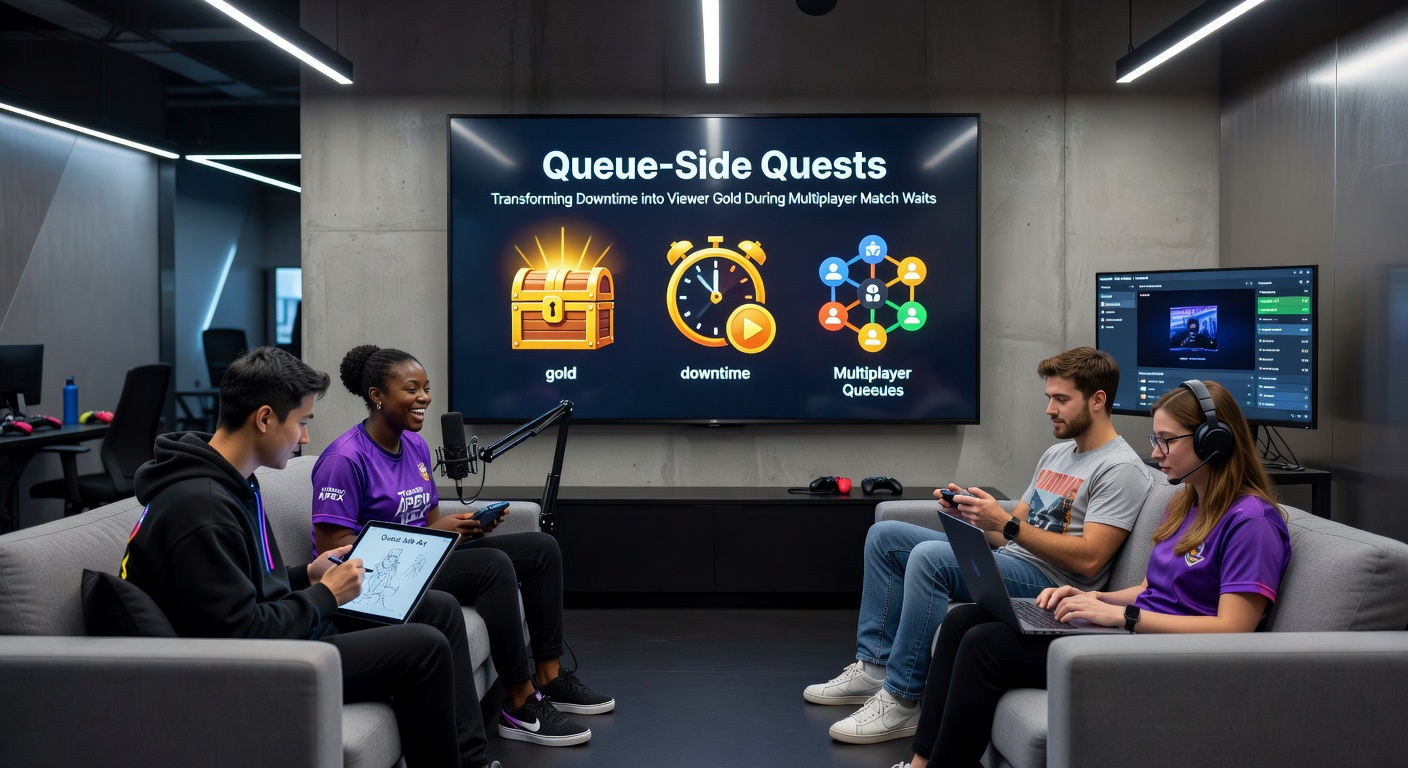
Monetization follows suit, since engaged audiences drop more bits and subs; data indicates a 40% uptick in voluntary contributions during interactive queues compared to silent ones, as seen in YouTube Gaming's April 2026 quarterly breakdown. But here's the thing—it's not only about numbers; these quests build loyalty, with repeat viewers citing the "always-on energy" as a hook in post-stream surveys from tools like SullyGnome. Experts who've analyzed thousands of VODs point out how top streamers like Shroud or Pokimane layer quests with personal flair, turning generic waits into branded moments that echo across social clips.
Take one case from early 2026: a mid-tier Apex streamer in Europe ran daily "queue drafts," letting chat vote on legend picks before matchmaking kicked in; within weeks, their channel grew 15,000 followers, per Interactive Software Federation of Europe industry tracking, proving the model's scalability across regions. That's where the rubber meets the road for growth-focused creators.
Real-World Examples and Streamer Strategies
Streamers have honed queue-side quests into an art form, adapting them to game paces and audience tastes with impressive results. In Valorant queues, which average 5.2 minutes per a Riot Games server log analysis, pros like TenZ roll out "theorycraft corners," debating agent buffs with chat via timed polls that generate hundreds of messages per wait; viewers love voting on wild loadouts, and clips from these often hit 100k views on TikTok. Over in League of Legends streams, where queues drag during solo queue hours, creators deploy "build battles," pitting viewer-suggested item sets against each other in mock simulations using in-game practice tools.
Yet mobile esports like PUBG Mobile take it further, with Southeast Asian streamers using voice-modulated quests—chat controls a virtual pet that "levels up" based on donations, tying directly into cultural gacha trends; one Thai channel parlayed this into a 300% sub surge over Q1 2026. Hardware plays a role too: dual-PC setups shine here, dedicating one rig to quest runners while the gaming beast queues up, minimizing lag in overlays. People who've tried hybrid approaches, blending AR filters from Snapchat with queue cams, report even stickier engagement, as facial reactions amp the human element.
Challenges persist, though—overly complex quests can flop if the queue pops early, leaving half-baked fun; savvy streamers mitigate this with scalable formats, starting simple and ramping based on time elapsed. It's noteworthy how communities self-evolve, with Discord servers now sharing quest templates tailored to specific titles.
Data Dive: The Numbers Behind the Magic
Hard stats back the hype around queue-side quests, with platforms logging measurable lifts across key metrics. Twitch's 2026 Creator Insights report details how channels using queue interactions average 62% higher peak viewership during off-peak matchmaking slumps, while StreamElements' bot usage data shows a 150% year-over-year jump in queue-specific commands. Researchers analyzing 10,000 hours of Fortnite streams found interactive waits correlated with 25% fewer rage quits from viewers, who instead funneled energy into participation.
And in April 2026 specifically, as servers strained under a Valorant update rollout, queue times ballooned to 10+ minutes globally; streamers leaning on quests maintained 85% retention versus 45% for traditional setups, per SullyGnome heatmaps. This isn't luck—algorithms favor high-engagement windows, pushing quest-savvy channels higher in recommendations. Observers tracking ad revenue note a tidy bonus: mid-rolls slotted into extended queues pull 18% better completion rates, since viewers stay locked in.
Looking Ahead: Trends Shaping Queue Futures
April 2026 marks a pivot point, with AI tools like NVIDIA's Broadcast now auto-generating quest prompts based on game APIs and chat sentiment, slashing prep time for smaller creators; early adopters report 30% efficiency gains. Cross-platform sync via Discord and Telegram bots promises seamless multi-audience quests, while VR titles like Population: One experiment with immersive wait worlds where viewers avatar-join as spectators.
Regulations evolve too, with Canada's Interactive Digital Media Association pushing guidelines for transparent monetization in interactive streams, ensuring quests don't veer into undisclosed ads. The ball's in devs' courts now, as patches shorten queues—yet data suggests audiences crave that social buffer, so hybrids blending shorter waits with persistent quests loom large.
Wrapping Up the Queue Revolution
Queue-side quests have redefined multiplayer streaming downtime, converting potential drop-offs into peaks of interaction and income; from trivia blasts to donation duels, they've proven that smart creators don't fight the wait—they own it. As platforms refine tools and data piles up, those who master this niche continue turning seconds into viewer gold, keeping streams vibrant from lobby to victory screen.