Simulcast Surge: How Multi-Platform Live Broadcasts Amplify Esports Viewership
Ulrich Keller · Apr 19, 2026
Simulcast Surge: How Multi-Platform Live Broadcasts Amplify Esports Viewership
The Rise of Simulcasting in Esports
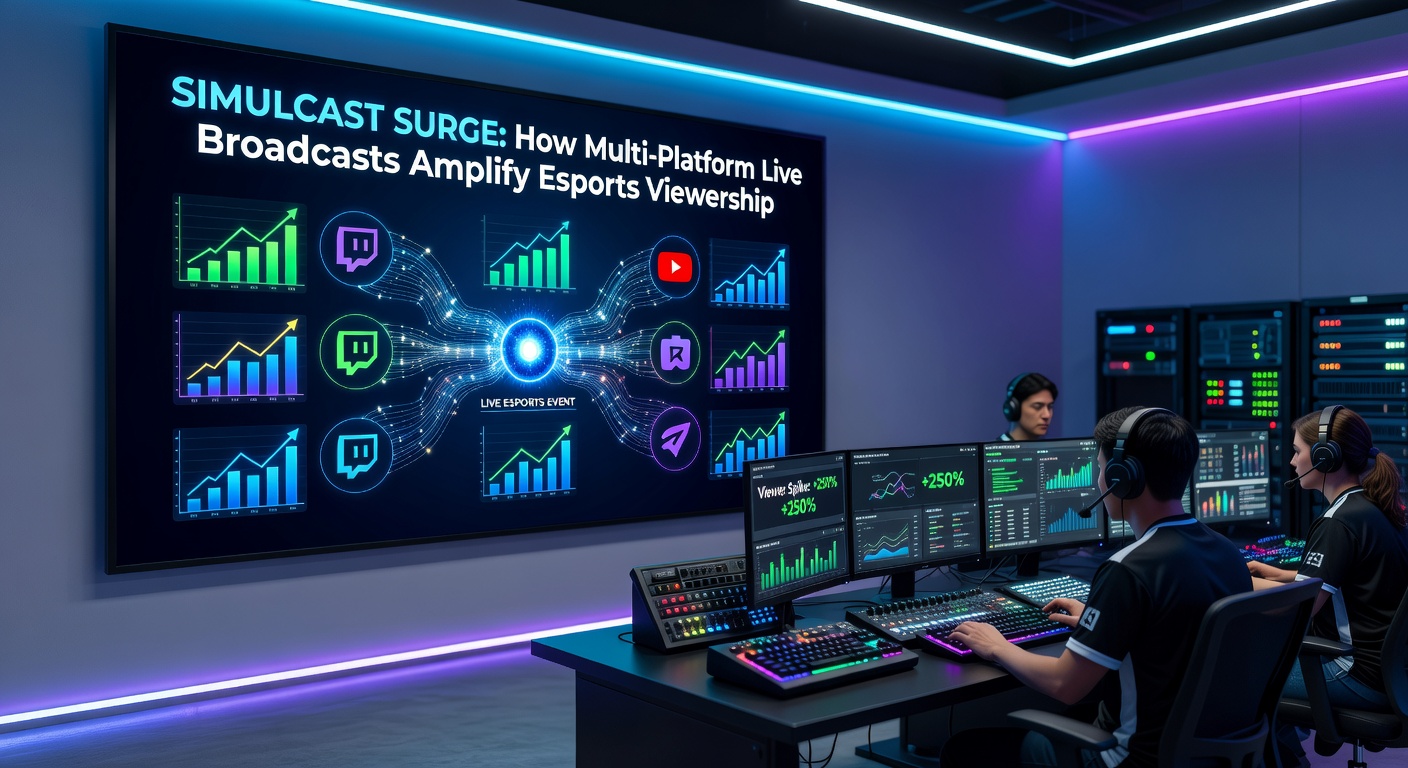
Esports viewership has exploded in recent years, and simulcasting—broadcasting the same live event across multiple platforms at once—stands at the heart of that growth; platforms like Twitch, YouTube Gaming, Facebook Gaming, and even TikTok Live now pull in audiences that dwarf single-stream numbers, with data from Newzoo revealing that global esports audiences topped 640 million in 2024, a figure fueled largely by multi-platform strategies.
What's interesting is how organizers have shifted from exclusive deals to wide-open broadcasts, reaching fans wherever they scroll or click; take major tournaments like The International for Dota 2, where simulcasts have consistently shattered records, drawing over 2.7 million peak concurrent viewers across seven platforms in 2023 alone.
And yet, this isn't just about raw numbers—it's about fragmentation reversed, as audiences splinter across apps and devices, forcing broadcasters to meet them there rather than hoping fans converge on one spot.
Defining Simulcast: Beyond Single-Stream Limits
Simulcasting works by duplicating a single high-quality feed to several destinations simultaneously, using tools that handle encoding, distribution, and even chat aggregation; services like Restream.io or Castr push streams to Twitch, YouTube, Trovo, and more, ensuring low latency and synced timings across the board.
Turns out, this approach sidesteps the pitfalls of platform silos—where YouTube favors search-driven discovery while Twitch thrives on community raids—allowing events to tap into each one's strengths; researchers at the Entertainment Software Association note that U.S. gamers alone spend over 12 hours weekly on platforms with live esports, highlighting the demand for accessible viewing.
But here's the thing: it's not rocket science, just smart routing; encoders like OBS Studio integrate RTMP keys from multiple services, splitting the output without taxing the streamer's rig excessively, especially when cloud services handle the heavy lifting.
Viewership Data: Numbers That Don't Lie
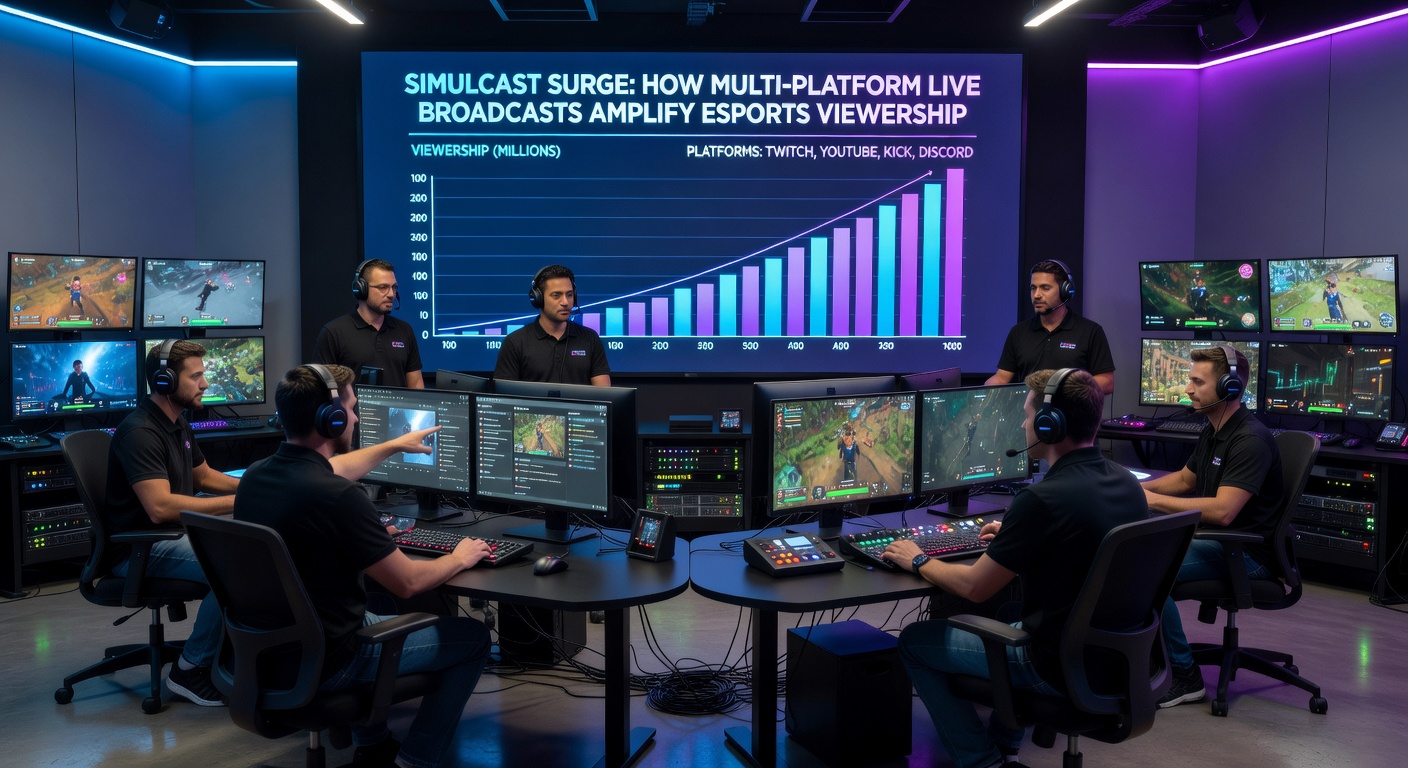
Figures reveal the power of this strategy starkly—Esports Charts data shows League of Legends World Championship 2023 peaking at 6.94 million viewers via simulcast, up 23% from prior years relying on fewer platforms; similarly, Valorant Champions Tour events hit 1.5 million averages when spread across five outlets, compared to sub-million figures for exclusives.
So, why the surge? Platforms compete fiercely for shares, but audiences win with choice; one study from the University of New South Wales in Australia found that multi-platform access boosts retention by 35%, as viewers switch feeds seamlessly during peak hype moments.
Observers note how mobile-first platforms like Kick and TikTok have joined the fray, pulling in Gen Z crowds who skip desktop streams altogether; in 2024, TikTok Gaming simulcasts for mobile esports titles like Mobile Legends added 20% to total peaks, blending short-form clips with full broadcasts.
Technology Powering the Multi-Platform Push
Behind the seamless feeds lie robust infrastructures—cloud encoders from AWS Media Services or Azure handle transcoding at scale, adapting bitrates for everything from 4K PC streams to 720p mobile; this ensures 99.9% uptime, critical when milliseconds decide viewer drop-off.
What's significant is protocol evolution; WebRTC for ultra-low latency chats syncs comments across platforms, while HLS adaptive streaming prevents buffering on spotty connections—key for global audiences spanning time zones.
And for hardware? Modern GPUs like NVIDIA's RTX 40-series manage multi-encode effortlessly, offloading NVENC to push six simultaneous 1080p60 streams without frame drops; teams at events like EVO Japan 2024 deployed such setups, sustaining 4 million viewers flawlessly.
Case Studies: Real-World Wins
Consider the Overwatch League's pivot in 2022—simulcasting grand finals to Twitch, YouTube, and Discord yielded 1.5 million unique viewers, a 50% jump from prior seasons; organizers credited cross-platform raids and shared hype trains for the boost.
Then there's CS:GO's PGL Major Copenhagen 2024, where eleven platforms combined for 1.85 million peaks—Twitch led with 1.1 million, but YouTube and Facebook added 400k each, proving diverse ecosystems capture overlooked niches like Latin American fans on Trovo.
People who've analyzed these often discover a pattern: simulcast not only amplifies totals but diversifies demographics; data indicates female viewership rises 15% on inclusive platforms like Facebook Gaming, broadening the tent.
Challenges and Hurdles Along the Way
No strategy lacks friction, though—rights negotiations complicate things, as platforms vie for exclusivity, yet compromises like delayed VODs on secondary sites keep peace; latency mismatches, where Twitch lags YouTube by seconds, frustrate purists, prompting tools like Streamlabs' sync features.
Costs add up too; enterprise simulcasters charge $100-500 monthly per stream, scaling with quality, but ROI shines through—events recoup via sponsorships tied to total reach metrics.
Yet, regulatory eyes watch closely; the Canadian Radio-television and Telecommunications Commission monitors broadcast standards for fairness, ensuring no single platform dominates ad revenue unfairly across borders.
Looking Ahead: 2026 and Beyond
April 2026 brings prime opportunities, with the Mid-Season Invitational for League of Legends slated for simulcast across ten platforms, projecting 8 million peaks based on trajectory models from Strafe Esports analytics; organizers plan VR integrations on Meta's feeds alongside traditional streams, further fragmenting yet unifying audiences.
Turns out, 5G rollouts in Europe and Asia will slash mobile latency, enabling AR overlays synced globally; the International Esports Federation anticipates 800 million viewers by 2026, crediting multi-platform norms for half that growth.
Now, with AI-driven auto-moderation handling cross-chat toxicity, scalability soars; events like these will test limits, but data suggests simulcast remains the golden path forward.
Conclusion
Simulcasting has redefined esports reach, turning fragmented platforms into a unified powerhouse that delivers record viewership; from tech enablers to strategic broadcasts, the evidence stacks high—global audiences grow, events thrive, and fans get options galore.
That said, as 2026 looms with bigger spectacles, the ball's in organizers' courts to refine, adapt, and push boundaries further; the reality is clear: multi-platform lives on, amplifying every cheer, every play, across screens worldwide.