Synchronizing Avatar Customizations with Live Audience Feedback Loops in Cross-Genre Multiplayer Streams
Ulrich Keller · Jun 23, 2026
Synchronizing Avatar Customizations with Live Audience Feedback Loops in Cross-Genre Multiplayer Streams
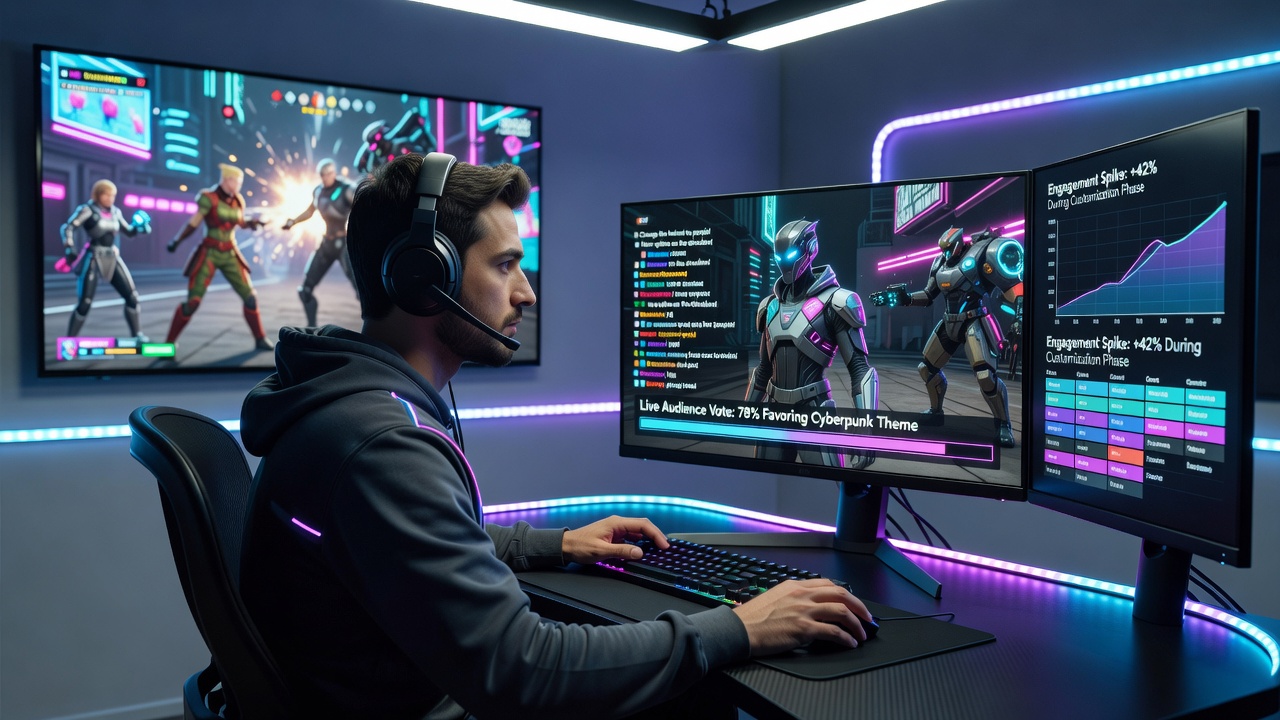
Platforms have developed systems that connect audience input directly to avatar modifications during live multiplayer events spanning multiple game genres, and these setups rely on integrated APIs that pull chat data, poll results, and reaction metrics to trigger visual updates in real time. Developers at major services implemented these loops by 2024, with expansions rolling out through mid-2026 to handle higher volumes of concurrent participants across titles that mix shooter mechanics with role-playing elements or battle arenas with simulation layers.
Core Mechanisms Behind the Synchronization Process
Feedback loops operate through middleware that parses incoming viewer signals and maps them to predefined customization parameters within game engines, so a spike in emoji usage or a majority vote on color schemes can alter clothing textures, accessory placements, or particle effects on player avatars without requiring manual intervention from the broadcaster. Engineers at studios like those behind cross-platform titles have documented how WebSocket connections maintain low-latency transfers between streaming overlays and in-game servers, allowing changes to propagate to all participants in a shared session while preserving genre-specific rules such as physics constraints in action segments versus stat modifiers in strategy phases.
Data from platform analytics shows that these integrations process thousands of interactions per minute during peak hours, and protocols prioritize certain inputs based on subscription tiers or engagement history to prevent overload during large-scale events. In June 2026 several services plan to introduce machine learning models that refine mapping accuracy by analyzing historical patterns from past broadcasts, which helps reduce mismatches where an audience suggestion fails to align with available asset libraries.
Applications Across Different Game Genres
Cross-genre streams often blend competitive shooters with cooperative adventure modes, and synchronization tools let viewers influence avatar elements that carry over between segments so a suggested weapon skin earned through feedback in one match appears adjusted for the next phase without breaking continuity. Observers note that developers have built genre-aware filters into the systems, ensuring that fantasy-themed customizations do not conflict with realistic rendering pipelines used in tactical segments, while researchers at institutions such as the International Game Developers Association have cataloged case studies where such adaptations increased session retention metrics by measurable margins.
One documented implementation involves overlay interfaces that display live polls alongside gameplay footage, after which selected options feed into backend scripts that swap modular avatar components like hairstyles or emblems; this approach works equally well in racing simulations where aerodynamic visuals shift based on audience momentum indicators and in survival crafting scenarios where resource-themed accessories update according to collective chat trends. Figures from European streaming reports indicate adoption rates rose steadily through 2025, driven by middleware updates that support simultaneous handling of multiple genres within single broadcast windows.
Technical Infrastructure and Data Handling
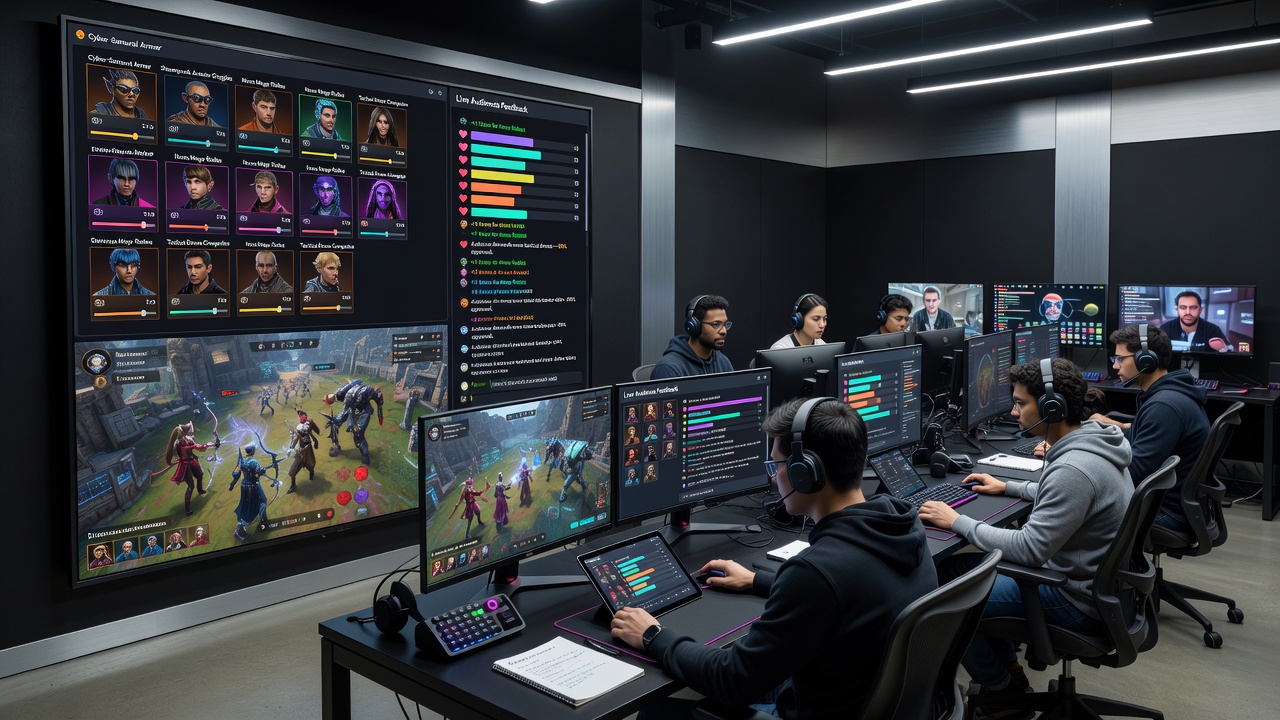
Backend architectures combine cloud-based rendering farms with edge computing nodes to execute customization changes at scale, and these setups draw from viewer databases that store preference histories to predict likely inputs before they arrive. Network engineers have optimized routing paths so feedback from global audiences reaches regional game servers within acceptable frame windows, minimizing desync issues that could otherwise disrupt cross-genre transitions where movement styles or camera controls differ sharply between titles.
Security layers encrypt feedback payloads to protect against injection attempts, while logging systems record every triggered modification for compliance reviews. Studies conducted through academic partnerships reveal that bandwidth requirements for these synchronized features remain manageable when compression algorithms prioritize avatar asset deltas over full model reloads, allowing smaller production teams to participate without specialized hardware investments.
Viewer Participation Patterns and Platform Adaptations
Audience members engage through embedded widgets that aggregate reactions into actionable commands, and platforms adjust weighting algorithms to balance input from casual viewers against dedicated subscribers during extended sessions. In cross-genre contexts this means feedback gathered while one title runs can influence avatar states carried into the subsequent genre shift, creating a persistent visual thread that encourages ongoing involvement across the full broadcast duration.
Reports compiled by groups including the GamesIndustry.biz research division highlight how certain titles incorporated native hooks for these loops by early 2026, reducing reliance on third-party extensions and streamlining the path from viewer suggestion to on-screen result. Patterns observed in international streams show higher interaction density during evening overlap periods when multiple time zones align, prompting services to schedule events that maximize this window for feedback-driven avatar experiments.
Conclusion
Synchronization of avatar customizations through audience feedback continues to evolve as tools mature and genre combinations expand, with infrastructure updates scheduled for June 2026 promising tighter integration across more titles. These systems deliver measurable engagement data while maintaining technical stability through established protocols and middleware refinements.