The Evolution of Software Tools That Enable Seamless Transitions Between Gaming Sessions and Audience Interactions
Ulrich Keller · May 17, 2026
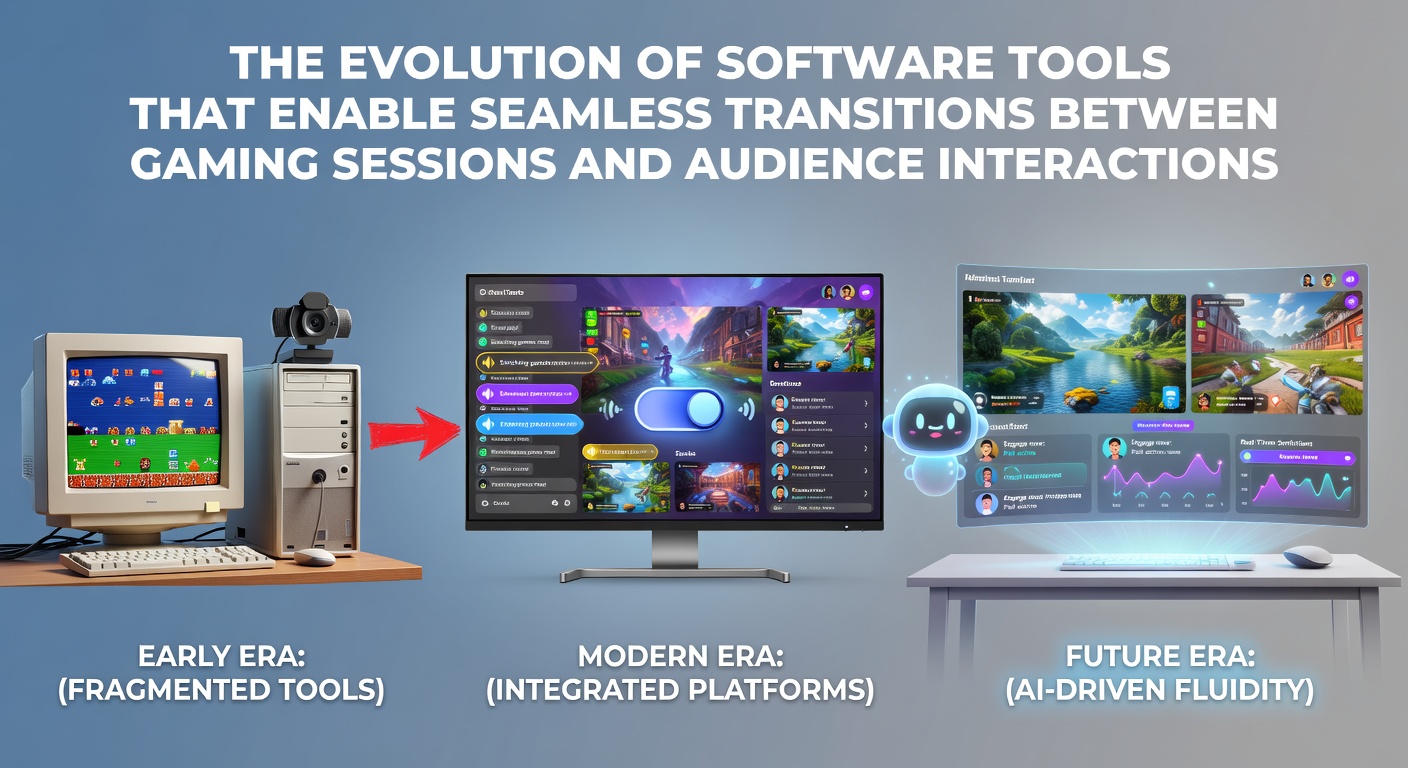
The Evolution of Software Tools That Enable Seamless Transitions Between Gaming Sessions and Audience Interactions
Software tools for managing gaming sessions alongside audience interactions have progressed through several distinct phases since the rise of online streaming platforms in the early 2000s. Early systems relied on separate applications for chat management and basic video capture, which required manual toggling that often disrupted gameplay flow. Developers addressed these limitations by introducing integrated scene management features that allowed automatic shifts between game displays and interactive overlays.
Foundations in the 2010s
Research from the Entertainment Software Association indicates that streaming participation grew substantially between 2015 and 2020 as broadband access expanded globally. Tools such as OBS Studio incorporated transition effects and hotkey bindings that let users alternate between gameplay feeds and audience chat windows without closing applications. These features reduced latency issues that previously forced streamers to pause sessions entirely. Observers note that plugin ecosystems emerged during this period to connect external chat services directly into broadcast software, enabling real-time message display alongside active game windows.
Academic studies published by institutions like the University of Southern California highlight how these early integrations improved retention metrics for live broadcasts. Data shows viewers stayed engaged longer when transitions occurred automatically rather than through disruptive screen changes. Developers responded by adding scripting capabilities that triggered scene switches based on chat commands or donation alerts.
Integration and Automation Advances
By the mid-2020s platforms began incorporating artificial intelligence modules for predictive scene handling. Software like Streamlabs Desktop introduced algorithms that detected gameplay pauses and suggested relevant audience prompts. Those who studied usage patterns found that such automation decreased average transition times from several seconds to under one second in many cases. External services then connected through APIs to pull viewer data into overlays, creating unified interfaces where game state and audience metrics appeared simultaneously.
Current Capabilities in 2026
May 2026 marks the rollout of several cloud-based synchronization updates across major streaming applications. These changes allow multi-device control where mobile apps handle audience polls while desktop sessions maintain uninterrupted game rendering. Figures from industry reports reveal that adoption rates for these hybrid tools increased by over 40 percent compared to the previous year. Software engineers achieved this by optimizing background processes that manage transitions without taxing primary graphics resources.
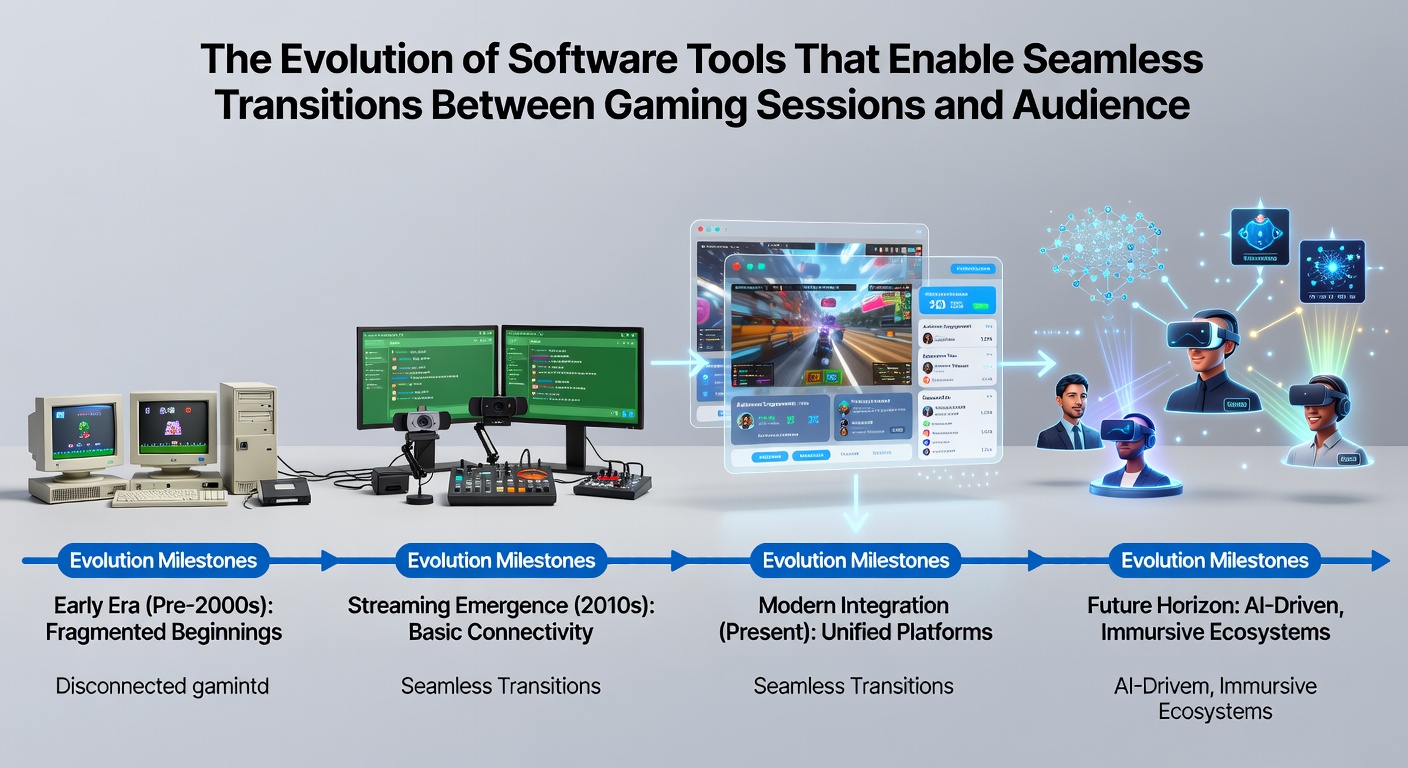
One notable development involves adaptive bitrate adjustments that activate during audience interaction spikes. When viewer counts rise, the system reallocates encoding priorities to maintain chat responsiveness alongside video quality. Researchers at technical conferences have documented cases where these adjustments prevented frame drops that once occurred during rapid scene changes. Tools now support layered interactions where audience votes influence in-game elements through direct software bridges.
Platform-Specific Implementations
Specialized applications have emerged for different gaming genres. Fighting game communities utilize tools that sync match replays with live viewer reactions through timestamped overlays. Role-playing sessions benefit from narrative branching software that shifts scenes based on collective audience input. Data compiled by the Interactive Software Federation of Europe demonstrates consistent performance gains across these implementations when compared to manual methods used five years earlier. And developers continue refining gesture recognition within these tools so physical controller inputs can trigger audience-facing displays automatically.
Cross-platform compatibility became standard after major updates in 2024 and 2025. Users operate the same transition logic whether broadcasting from consoles, personal computers, or handheld devices. This standardization emerged because fragmented systems created support challenges that slowed industry growth. Current versions include built-in diagnostics that identify potential conflicts between game engines and interaction modules before they affect live output.
Conclusion
The trajectory of these software tools shows continued emphasis on reducing friction between core gameplay and real-time audience engagement. As hardware capabilities advance alongside algorithmic improvements, transitions become increasingly invisible to both participants and viewers. Industry tracking data confirms sustained investment in these areas through 2026 and beyond, with new features focusing on predictive analytics that anticipate interaction needs based on historical session patterns.