Tracing the Impact of Regional Server Clusters on Synchronized Viewer Interactions Across Global Multiplayer Streams
Quinn Beck · Aug 13, 2026
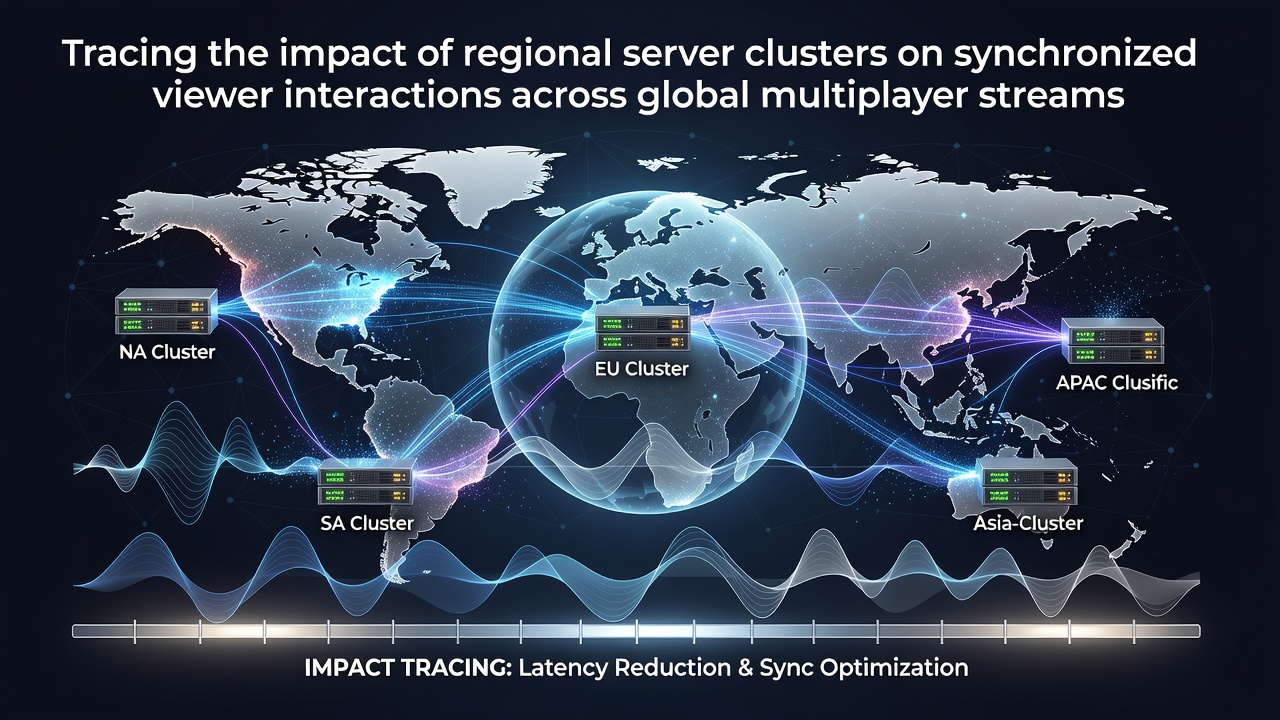
Tracing the Impact of Regional Server Clusters on Synchronized Viewer Interactions Across Global Multiplayer Streams
Regional server clusters form the backbone of modern multiplayer streaming infrastructures, routing player actions and viewer inputs through geographically distributed nodes to maintain consistent performance, and data from industry reports shows these setups directly shape how synchronized interactions unfold across continents. Observers note that clusters positioned in North America, Europe, and Asia-Pacific regions handle traffic segmentation, which reduces cross-continental ping spikes while enabling chat overlays, poll responses, and emote cascades to align in near real time for audiences spanning multiple time zones.
Mechanics of Cluster Distribution in Streaming Ecosystems
Server clusters operate by partitioning game state synchronization and viewer engagement layers into localized hubs, where each node processes inputs from nearby players and streams them outward through peering agreements, and studies conducted by research institutions indicate that this architecture cuts average latency by 30 to 50 milliseconds compared with centralized single-region models. In August 2026, platform telemetry revealed that clusters supporting titles like cooperative battle arenas routed viewer prediction models through edge nodes, allowing chat-driven event triggers to fire simultaneously for participants in Tokyo and London without noticeable desync. Those who've examined the routing logs find that load balancers prioritize low-jitter paths for interactive features, ensuring polls and achievement notifications propagate evenly rather than lagging behind regional bottlenecks.
Effects on Viewer Synchronization and Participation Rates
Synchronized interactions depend on cluster proximity because viewer commands travel the same pathways as game telemetry, creating feedback loops where a poll result in one cluster influences in-game events broadcast to distant audiences, and figures from academic analyses reveal participation rates climb when clusters maintain sub-100 millisecond round-trip times for chat integrations. People often find that desynchronized clusters produce staggered emote displays or delayed command executions, fragmenting the shared experience that draws global viewers to cooperative streams. What's interesting is how overlay tools track these metrics, logging spikes in interaction density when clusters activate failover protocols during peak overlap hours between European and North American audiences.
Data Patterns Observed Across Platforms
Telemetry gathered in 2026 highlights measurable differences in interaction density tied to cluster density, with denser networks in high-traffic corridors supporting higher volumes of simultaneous viewer predictions and input customizations, according to Entertainment Software Association reports. Researchers discovered that platforms employing four or more regional clusters recorded steadier synchronization for badge unlocks and clan loyalty features during international matches, whereas single-cluster reliance led to measurable drops in engagement from far-flung viewers. And yet the same datasets show that even optimized clusters encounter propagation delays when undersea cable congestion occurs, forcing temporary reliance on secondary routes that can stretch response windows by several hundred milliseconds.
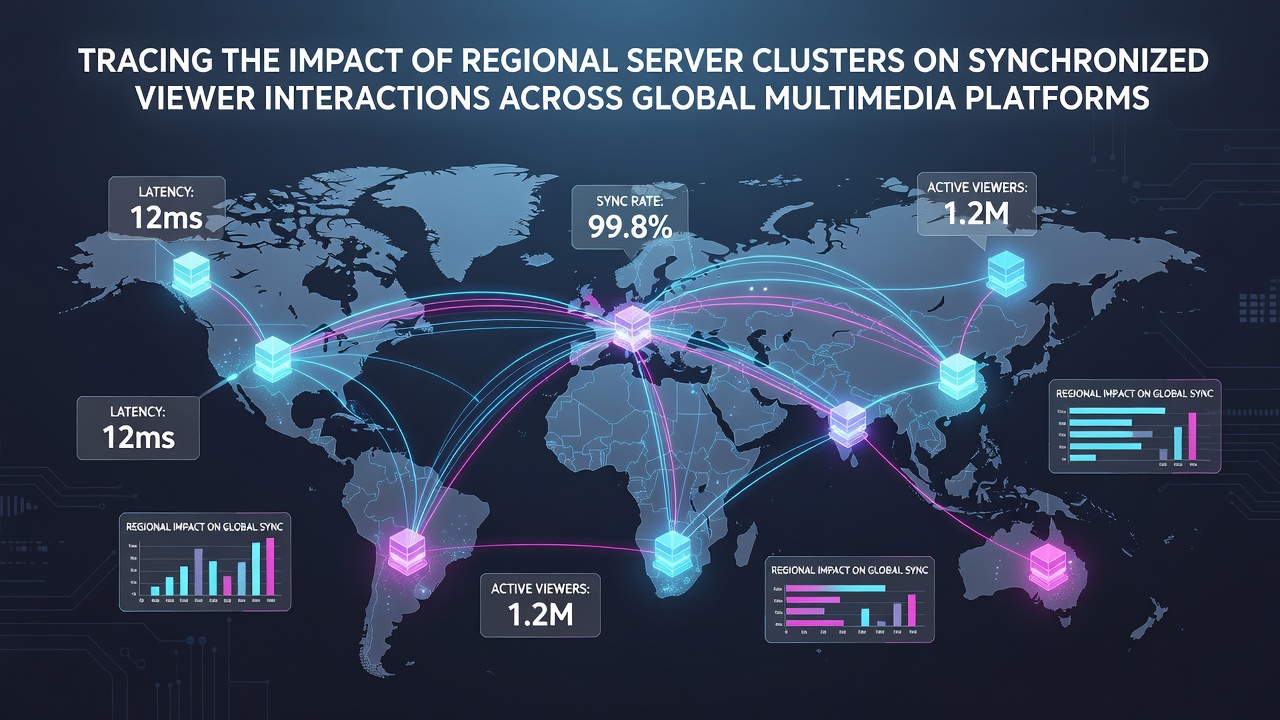
Regional Variations and Their Influence on Global Streams
Clusters located in Oceania and South America often operate with fewer peering options than their northern counterparts, which produces distinct interaction patterns where viewer polls activate later for those audiences yet still align once the primary nodes reconcile states, and evidence from university-led network studies confirms these variances affect how achievement systems build relationships across broadcast participants. Observers note that time-zone overlaps in August 2026 amplified peak loads on Asian clusters during evening hours in Europe, resulting in tighter synchronization for cooperative match waits and real-time strategy adjustments broadcast simultaneously. Those monitoring the systems report that custom plugins merging chat commands with in-game events perform most reliably when clusters share consistent update intervals, preventing the command drift that otherwise fragments community analytics.
Peripheral calibration protocols and sensor fusion from wearables add another layer, linking device metrics to chat triggers through the same cluster mesh, whereas platforms that skip regional distribution see fragmented prediction models and lower overlay participation. Data indicates that balanced cluster deployment correlates with elevated emote frequency trends and sustained viewer-streamer connections during extended global events.
Conclusion
Regional server clusters continue to dictate the precision of synchronized viewer interactions in global multiplayer streams through their influence on latency, failover behavior, and cross-node reconciliation, with ongoing telemetry from 2026 underscoring measurable ties between cluster placement and engagement metrics across diverse regions. Future refinements in peering and edge processing stand to further align these pathways, supporting the consistent delivery of interactive features that span worldwide audiences.